
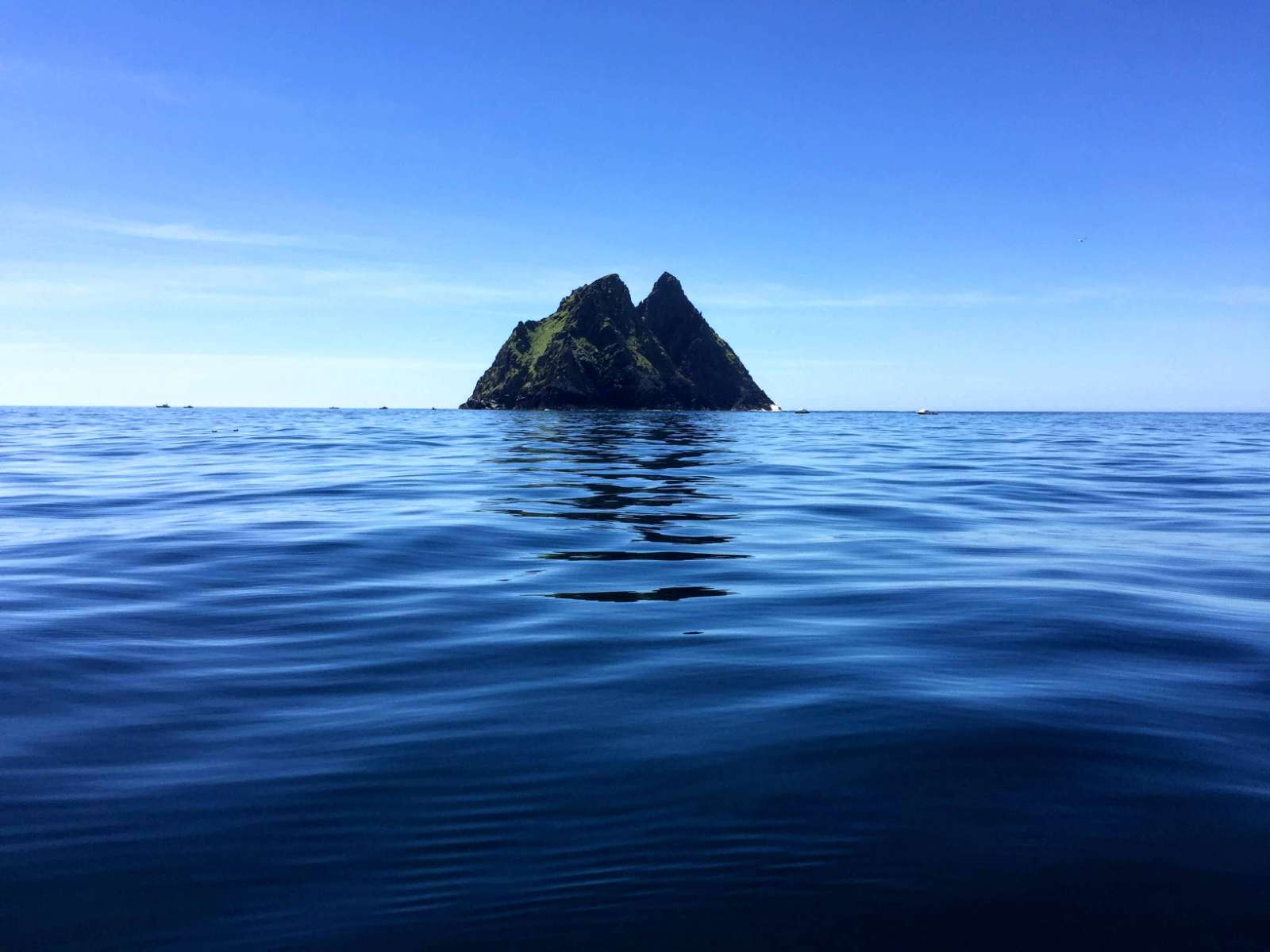
There is a specific kind of light you only find when you’re twelve kilometres off the coast of Kerry. It’s a raw, unfiltered Atlantic glow that can turn the greyest limestone into a shimmering silver and the deep teal of the ocean into something almost otherworldly. As someone who sees these islands nearly every day, I can tell you that Skellig Michael isn't just a trip; for a photographer, it’s a pilgrimage.
However, Skellig Michael is a challenging subject. Between the salt spray of the Atlantic, the unpredictable Irish weather, and the physical demands of carrying gear up 600 ancient stone steps, you need more than just a good eye to come home with the shots you want. You need a plan.
Whether you’re a professional with a bag full of prime lenses or a hobbyist with a decent mirrorless setup, this guide is designed to help you navigate the technical and environmental hurdles of the "Edge of the World."
The Battle with the Elements: Protecting Your Gear
Before we talk about shutter speeds or composition, we have to talk about the Atlantic Ocean. The boat journey out to the Rock is half the adventure, but it is also the biggest threat to your equipment. Even on a relatively calm day, sea spray is a constant factor.
Saltwater is the natural enemy of electronics. My first tip is simple: do not take your camera out of your bag until the boat has safely docked or the skipper tells you it’s clear. If you’re hoping to catch shots of the jagged peaks of Little Skellig as we pass, keep your gear tucked inside a waterproof dry bag or a dedicated weather-sealed camera bag.
Pro Tip: Bring plenty of high-quality microfibre cloths and a small bottle of lens cleaner. If a drop of salt water hits your front element and dries, it leaves a crusty residue that will ruin every frame thereafter. Wipe it immediately, but gently. I also recommend using a high-quality UV filter as a "sacrificial" layer. I’d much rather you scratch a fifty-euro filter than your expensive glass while trying to wipe away salt in a hurry.
Little Skellig: The Gannet Colony
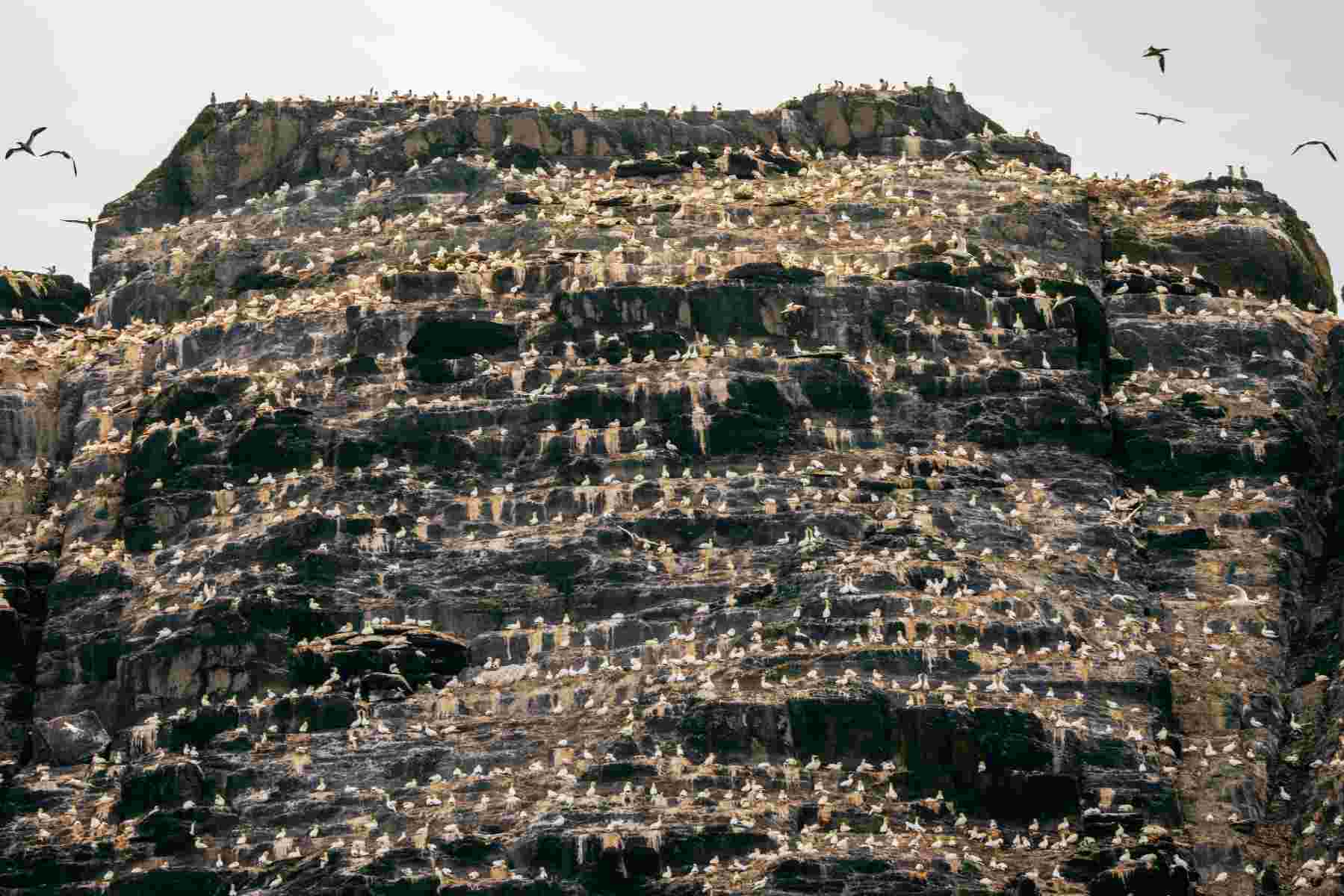
On our way to the main island, we pass Little Skellig. It is home to nearly 30,000 pairs of Northern Gannets, making it one of the largest colonies in the world. From a distance, the island looks like it’s covered in snow, but as we get closer, you realise that "snow" is actually a swirling mass of white feathers.
To capture the sheer scale of the colony, you’ll want a versatile zoom lens. A 70-200mm is usually the sweet spot here.
Settings for the birds:
- Shutter Speed: Gannets are fast and erratic. To freeze them in mid-air against the dark volcanic rock, you’ll need a shutter speed of at least 1/1600s, though 1/2000s is safer if the light allows.
- Aperture: Try to stay around f/5.6 or f/8. This gives you a bit of a buffer with your focus while still isolating the birds from the distant cliffs.
- Drive Mode: Set your camera to high-speed burst. The "hero shot" of a gannet diving into the water happens in a fraction of a second.
The Ascent: Capturing the 600 Steps
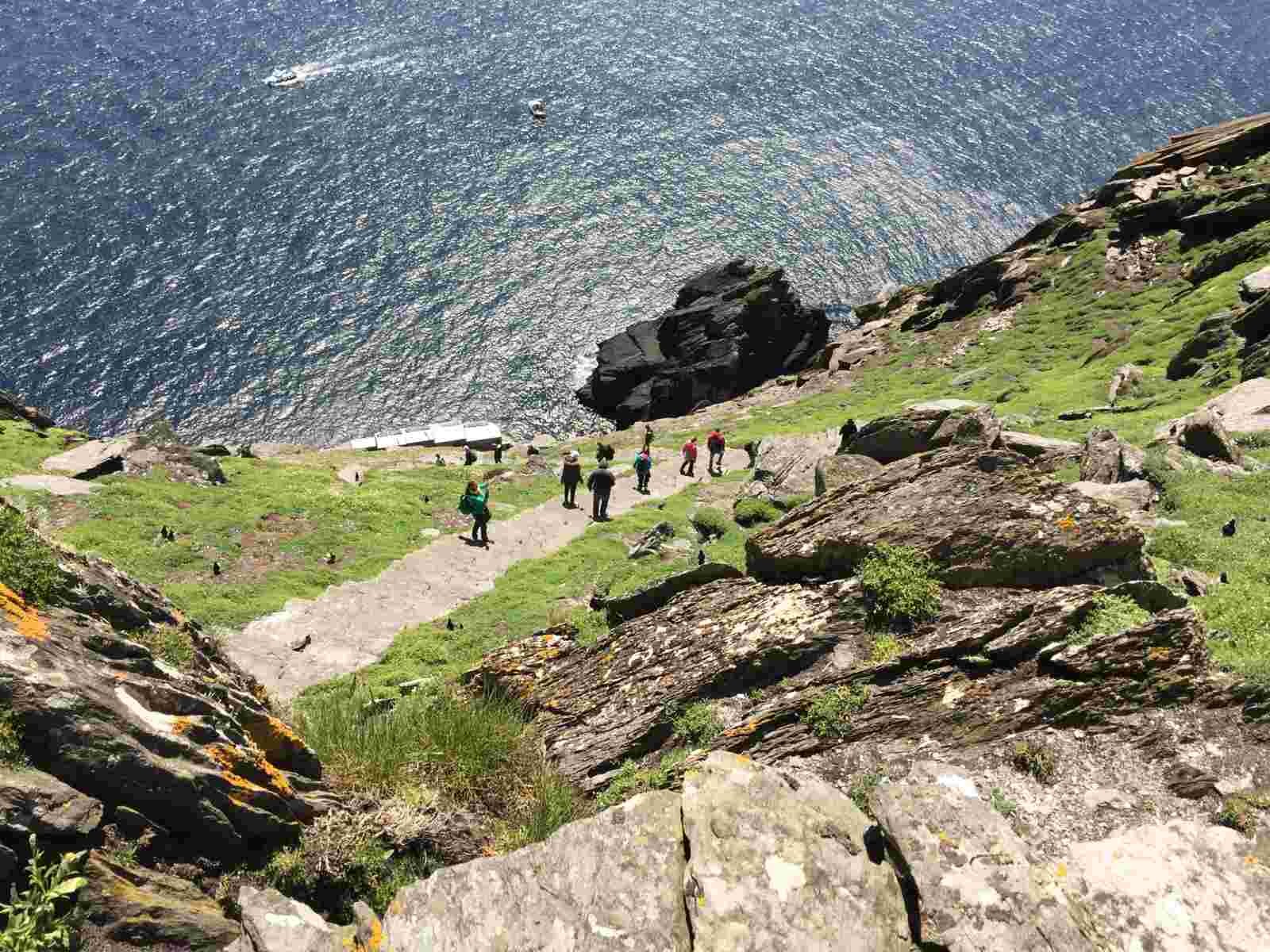
Once we land, the real work begins. The 600-plus stone steps leading to the monastery are the defining feature of Skellig Michael. They were carved by monks over a millennium ago, and they offer some of the most dramatic leading lines you will ever find in nature.
The challenge here is capturing the scale. If you shoot straight up the stairs, the incline often looks flat in a two-dimensional photograph. To truly show how "precipitous" the climb is, try these angles:
- The Low Angle: Get your camera as close to the steps as possible and shoot upwards. This emphasizes the "stairway to heaven" effect and highlights the hand-hewn texture of the stones.
- The Turning Point: There are several spots where the path zig-zags. Position yourself at a corner and wait for other visitors (or your companions) to climb a few flights above you. Having a human figure in the frame provides an essential sense of scale against the massive cliffs.
- Looking Back: Don't forget to look behind you. The view looking down the steps towards the Atlantic and Little Skellig in the background is the "postcard" shot of the trip. Use a narrow aperture (f/11 or f/16) to ensure both the foreground steps and the distant island remain sharp.
The Monastery: Beehive Huts and Ancient Shadows
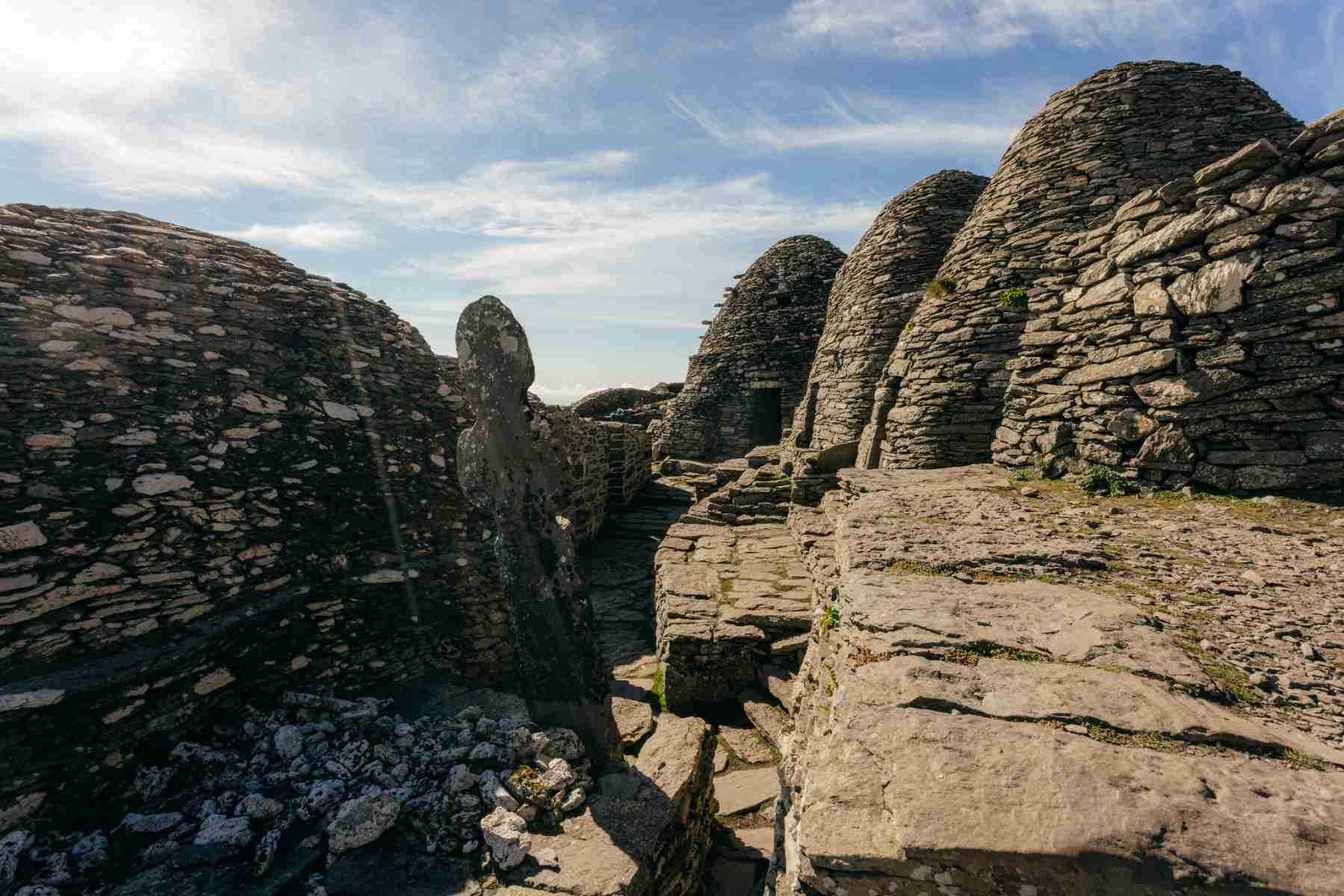
At the top, you’ll find the 6th-century monastery. The dry-stone beehive huts (clocháns) are architectural marvels. Because they are dark stone set against what is often a bright sky, your camera’s light meter might get confused.
Technical Advice for the Monastery:
- Exposure Compensation: If the sun is out, the dark stone can cause your camera to overexpose the sky. I usually dial in -0.7 or -1.0 exposure compensation to keep the detail in the highlights. You can always pull the shadows up later in post-processing.
- The Interior: If you’re allowed a peek inside (check with the OPW guides on-site), the light filtering through the small door creates incredible, moody shadows. You’ll need to bump your ISO up significantly: don't be afraid of ISO 1600 or 3200. Modern cameras handle "noise" much better than they used to, and a grainy shot is better than a blurry one.
- Wide Angles: This is where a 16-35mm lens shines. You want to capture the cluster of huts together to show how the monks lived in a tight-knit community on the edge of the world.
The Stars of the Show: Puffin Photography
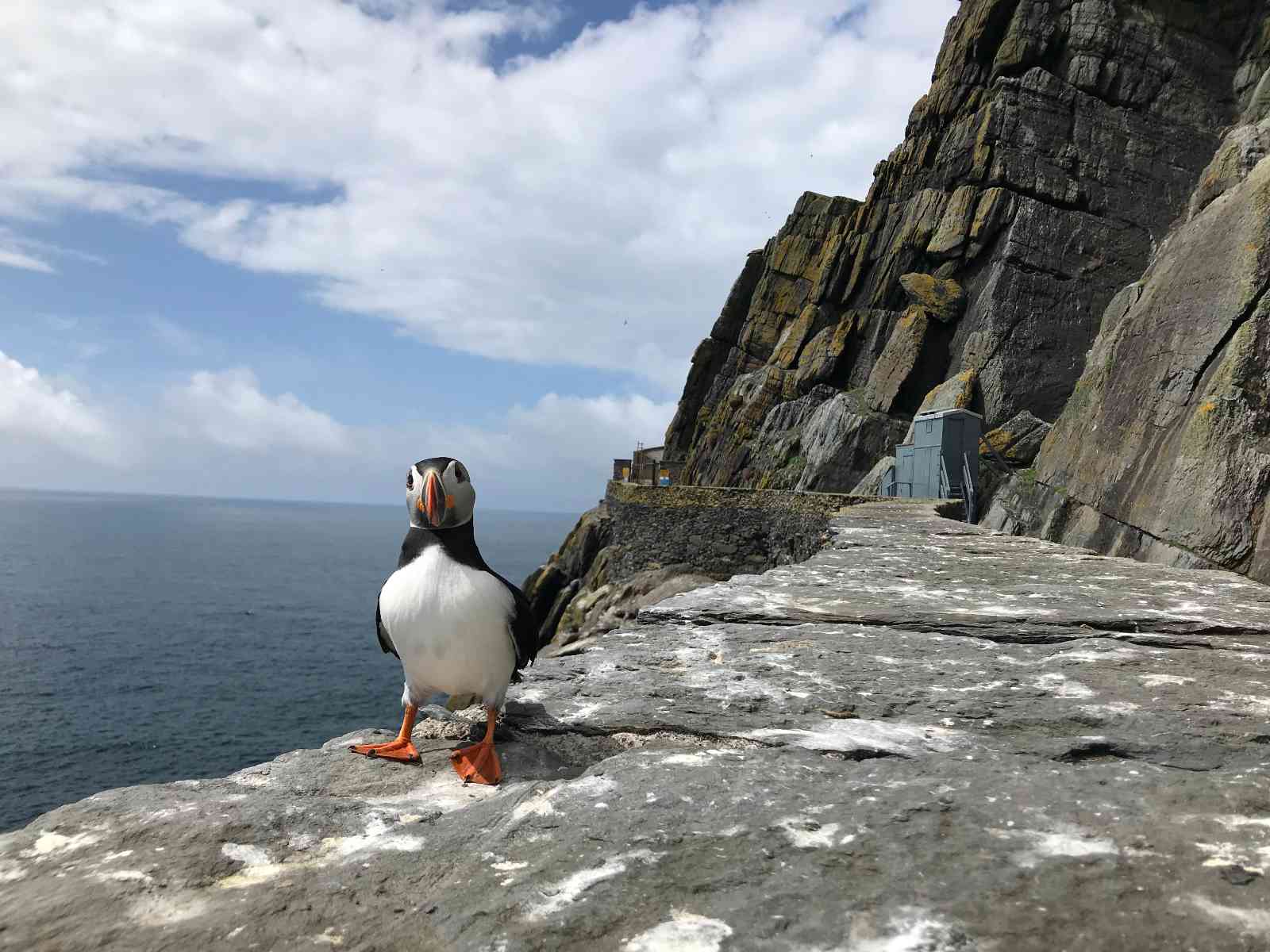
If you visit between late April and July, the puffins will likely steal your heart and most of your memory card space. These "clowns of the sea" are remarkably relaxed around humans, often nesting right beside the path.
While it's tempting to get as close as possible, remember that Skellig Michael is their home. We are the guests. A 200mm or 400mm lens allows you to get those stunning, tight portraits without distressing the birds.
Settings for Puffins:
- Eye-Level: Get down on their level. A photo of a puffin taken from a standing height looks like a snapshot. A photo taken at bird-eye level looks like a portrait. It creates a connection between the subject and the viewer.
- Focus: Use single-point AF and aim exactly for the eye. The puffin’s beak is colourful, but if the eye isn't sharp, the photo won't work.
- The "Beak-Full" Shot: If you’re patient, you can catch them returning from the sea with their beaks full of sand eels. This requires a high shutter speed (1/2000s) and a lot of patience.
Practical Considerations for the Trip
When you’re packing your bag for a trip with Skellig Michael Island Tours, remember that you have to carry everything you bring up those 600 steps. I’ve seen people regret bringing a massive tripod and three different camera bodies by the time they hit step 200.
- Tripods: Unless you are planning on doing long-exposure work with filters, leave the heavy tripod on the mainland. A lightweight carbon fibre travel tripod or even a monopod is much more manageable.
- Lens Choice: If I could only bring one lens, it would be a 24-105mm. It covers the landscapes, the stairs, and decent environmental portraits of the wildlife. If you can fit a second, make it a long telephoto zoom.
- Battery and Card: The cold Atlantic air can drain batteries faster than usual. Bring a spare and keep it in an internal pocket close to your body heat.
Respect the Site
As much as we want you to get the perfect shot, the safety of the site and its visitors is the priority. Always follow the instructions of our crew and the OPW guides on the island. Stay on the designated paths: the ground off-path is often honeycombed with puffin burrows, and stepping off the trail can cause them to collapse.
Photographing Skellig Michael is about patience and respect. It’s about waiting for that one moment when the clouds part and the light hits the monastery just right, or when a puffin decides to pose on a lichen-covered rock right in front of you.
If you’re ready to test your skills against the most dramatic backdrop in Ireland, we’d love to get you there. You can check our availability or contact us if you have specific questions about gear or the best time of year for your photography style.
The Skelligs are waiting. Bring your camera, but don't forget to take a moment to look away from the viewfinder and just breathe it in. Some views are so big, even the best sensor can't quite capture them.

For more information on planning your journey, head over to our homepage. We’ll see you at the pier!