
The Skellig Islands, situated approximately 12 kilometres off the coast of County Kerry, represent one of the most significant and well-preserved examples of early Christian monasticism in Europe. Skellig Michael, the larger of the two islands, attained UNESCO World Heritage status in 1996, a designation that acknowledges its exceptional universal value and the necessity for rigorous preservation. Preparation for a visit to this remote Atlantic outpost requires careful logistical planning, physical readiness, and a comprehensive understanding of the environmental conditions prevalent in the region.
Mandatory Advance Planning and Seasonal Constraints
The window for visiting Skellig Michael is restricted by the volatility of the Atlantic Ocean and the conservation mandates governing the site. The official season typically commences in mid-May and concludes on the 30th of September. Due to the high global demand and the strictly limited number of daily permits issued by the Office of Public Works (OPW), booking a skellig michael tour several months in advance is a fundamental requirement.
Wildlife cycles also dictate the optimal timing for specific interests. For instance, the puffin population, which colonises the island for breeding, is generally present from April until the first week of August. Those seeking to observe these avian residents must schedule their journey within this specific timeframe. Failure to secure a reservation well in advance often results in the unavailability of landing permits, as these are frequently exhausted months before the season begins.
Selection of Tour Type: Landing vs. Eco & Wildlife
Prospective visitors must distinguish between the two primary methods of experiencing the islands. Each serves a different objective and requires a different level of physical exertion.
The Skellig Michael Landing Tour
The skellig michael landing tour is designed for individuals wishing to disembark and explore the archaeological remains of the 6th-century monastery. This tour includes the boat transit from the mainland and a designated period of approximately two and a half hours on the island. The primary objective for most participants is the ascent to the monastic enclosure, situated 218 metres above sea level. This involves climbing over 600 hand-hewn stone steps. This tour is physically demanding and is not recommended for those with mobility issues, vertigo, or significant health concerns.
The Skellig Eco & Wildlife Tour
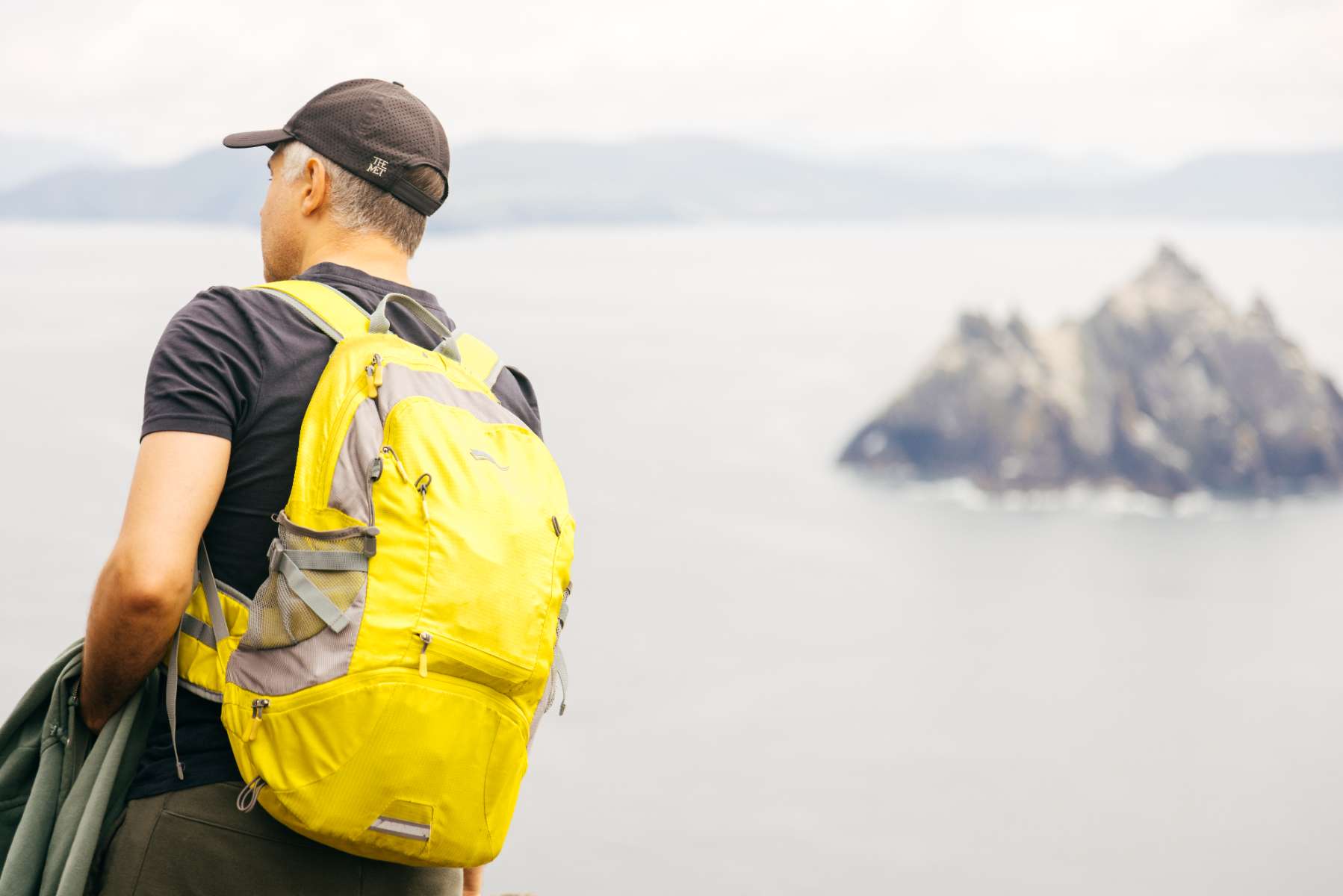
The skellig islands tour focusing on ecology and wildlife does not involve a landing on the island. Instead, the vessel circumnavigates both Skellig Michael and Little Skellig. This option provides an unparalleled perspective of the rugged cliff faces, the architectural scale of the monastery from sea level, and the massive gannet colony on Little Skellig: one of the largest in the world. This is an optimal choice for those who prefer to remain aboard a stable platform or for those who were unable to secure a landing permit.

Logistical Protocols: Departure from Portmagee Marina
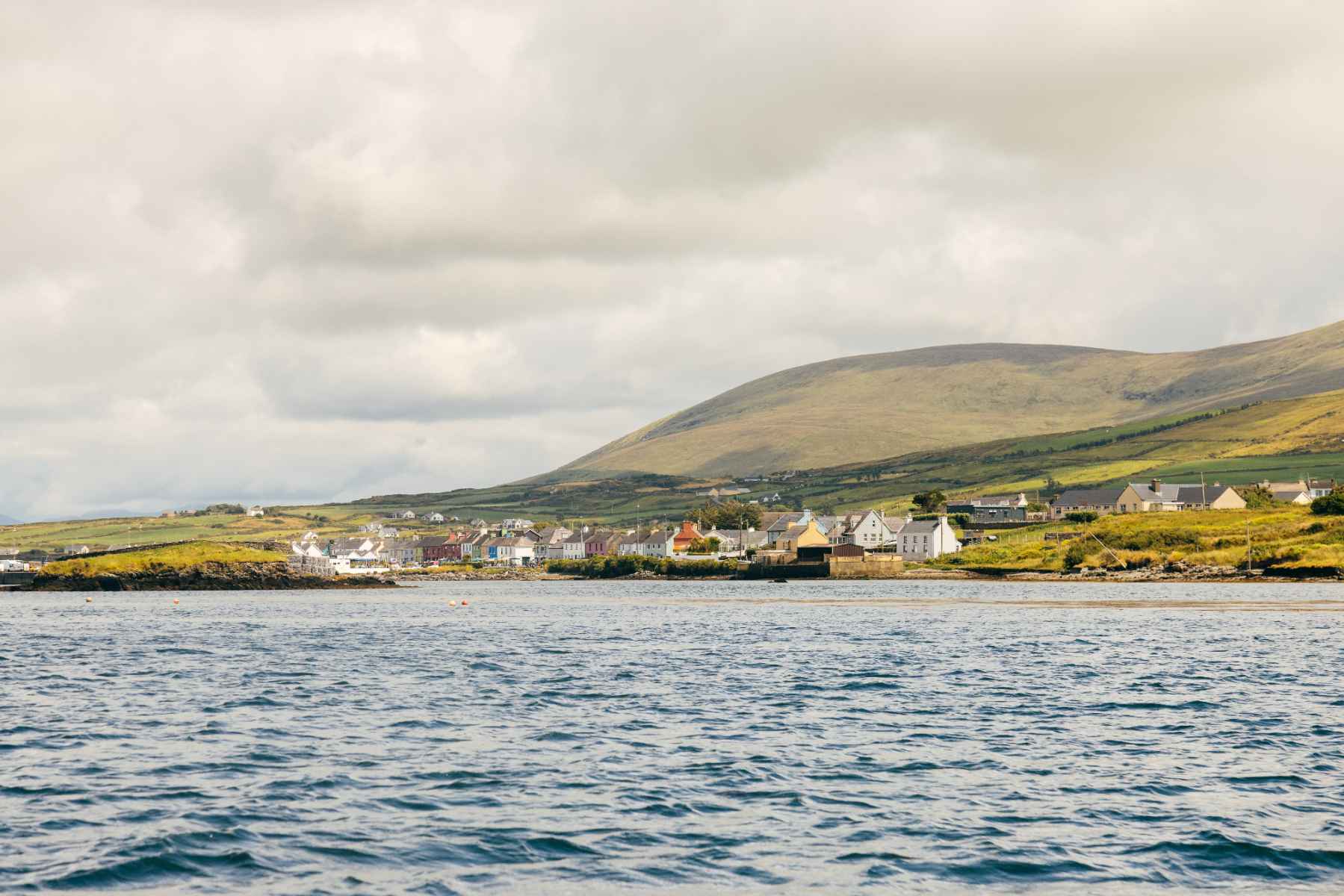
All authorised vessels for Skellig Michael Island Tours depart from Portmagee Marina. Portmagee is a small fishing village located at the western extremity of the Iveragh Peninsula. Accurate navigation to the departure point is essential, as the rural nature of the roads in County Kerry can result in longer travel times than digital maps might suggest.
Participants are required to arrive at the Portmagee Marina a minimum of 30 minutes prior to the scheduled departure time. This period is utilised for safety briefings, the distribution of lifejackets, and administrative check-ins. Punctuality is mandatory; vessels operate on strict schedules dictated by tidal windows and landing slot assignments. Late arrivals typically cannot be accommodated and may forfeit their booking.
Physical Preparation and Safety Mandates
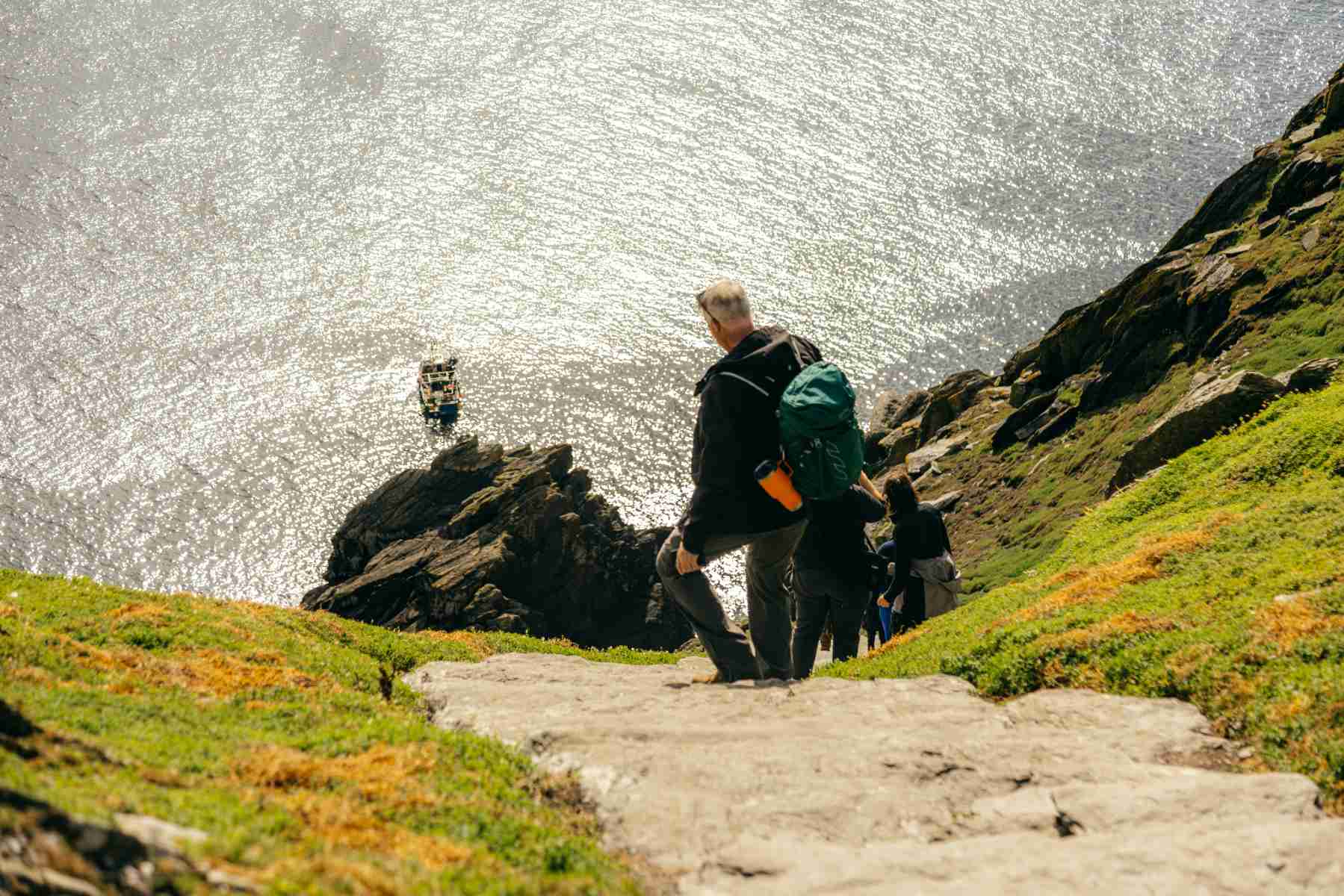
The environment of Skellig Michael is inherently hazardous. The 600-step ascent is steep, narrow, and lacks modern safety railings in several sections. The stone steps, while expertly crafted by medieval monks, are uneven and can become exceptionally slippery when exposed to Atlantic mist or rain.
For detailed information on the physical nature of the ascent, visitors should consult the guide to the 600-step challenge. It is imperative that participants maintain a steady pace, remain on the designated paths, and follow the instructions provided by the OPW guides stationed on the island. The risk of falls is significant, and the remote location complicates emergency medical evacuations.
Essential Equipment and Sustenance
Proper equipment is not merely a matter of comfort but a requirement for safety. The weather in the North Atlantic is notoriously unpredictable, and conditions can deteriorate rapidly even during the summer months.
Mandatory Clothing and Gear
- Footwear: Sturdy hiking boots with high-grip soles and ankle support are the only recommended footwear. Trainers, sandals, or smooth-soled shoes are inadequate for the stone steps.
- Waterproof Outer Layers: High-quality waterproof jackets and trousers are essential. The boat transit often involves sea spray, and the island offers no shelter from rain.
- Layered Apparel: Temperatures on the island can be significantly lower than on the mainland. Breathable base layers and thermal mid-layers allow for temperature regulation during the exertion of the climb.
- Sun Protection: Despite overcast conditions, UV levels remain high. Sunscreen and protective headwear are advised.
Sustenance and Facilities
There are no commercial facilities, shops, or toilets on Skellig Michael. Visitors must provide their own food and hydration. A minimum of one litre of water per person is recommended. All refuse must be retained and transported back to the mainland. The consumption of food is restricted to specific areas to prevent the disturbance of local wildlife and the degradation of the heritage site. For further queries on facilities, the FAQ section provides comprehensive data.
Accommodation and Regional Orientation
Selecting a base for a skellig michael boat trip involves considering proximity to Portmagee Marina and local points of interest.
- Portmagee: This village offers the most immediate access to the marina. It is a traditional fishing harbour with various guesthouses and hostels.
- Valentia Island: Connected to Portmagee by bridge, Valentia Island offers significant historical depth, including the site of the first Transatlantic Telegraph Cable and the Tetrapod Trackways. There are several things to do valentia island that complement a Skellig visit, particularly for those interested in geology and marine history.
- Ballinskelligs: Situated across the bay, Ballinskelligs is home to a Blue Flag beach and the ruins of a 12th-century priory where the monks of Skellig Michael eventually relocated.
- Waterville: A larger coastal village located approximately 20 minutes from Portmagee, Waterville provides a broader range of hotels and dining options, famously frequented by Charlie Chaplin.
Conservation and "Leave No Trace" Principles
As a UNESCO World Heritage site, Skellig Michael is protected under international and national law. The preservation of the dry-stone beehive huts and oratories depends entirely on the conduct of visitors. Touching, leaning on, or removing stones from the structures is strictly prohibited.
The island is also a critical habitat for several species of seabirds. Nesting burrows for puffins and Manx shearwaters are located immediately adjacent to the paths; any deviation from the stone steps can result in the collapse of these burrows. Adherence to "Leave No Trace" principles is a non-negotiable condition of entry. By maintaining a respectful distance from wildlife and preserving the integrity of the monastic ruins, visitors contribute to the ongoing stewardship of this unparalleled historical monument.