
The maritime history of the Iveragh Peninsula is defined by the treacherous nature of the North Atlantic. For centuries, the jagged silhouettes of the Skellig Islands served as both a landmark and a lethal hazard for mariners. The establishment of the Skellig Michael lighthouse system in the early 19th century represented a pivotal advancement in Irish maritime safety, transforming a site of ancient monastic isolation into a critical node of international navigation.
The Strategic Necessity for Illumination
During the early 1800s, the expansion of transatlantic trade led to a significant increase in vessel traffic along the southwest coast of Ireland. The absence of adequate navigational aids between Loop Head in County Clare and Cape Clear in County Cork resulted in a catastrophic frequency of shipwrecks. The waters surrounding the Skellig Rocks were particularly hazardous due to unpredictable Atlantic swells and frequent visibility issues.
In 1818, the urgency of the situation was articulated by Maurice Fitzgerald, the Knight of Kerry. He formally petitioned the Corporation for Preserving and Improving the Port of Dublin: the predecessor to the Commissioners of Irish Lights: highlighting the consistent loss of merchant vessels in Dingle Bay and Ballinaskelligs Bay. The petition underscored the absolute requirement for a permanent light source on the Great Skellig to safeguard the lives of sailors and the integrity of maritime commerce.
The Engineering Mandate of George Halpin
The responsibility for designing and overseeing the construction of the Skellig Michael lighthouses fell to George Halpin, a prominent inspector and engineer for the Ballast Board. Halpin's design necessitated a sophisticated understanding of the island's unique topography. Unlike many mainland installations, the Skellig Michael project required building on a precipitous rock rising over 200 metres from the sea.
Construction commenced in August 1821. The logistical challenges were immense. All building materials, including rubble masonry and slate cladding, had to be transported by sea and hoisted up the sheer cliffs. The workforce, employed by the Ballast Board, operated in an environment of extreme physical risk. The arduous nature of the project is illustrated by the recorded fatality of Peter Cane, a worker killed during the detonation of explosives used to blast the road and foundations into the rock. The project eventually reached completion at a total cost of £45,721, a staggering expenditure for the era that reflected the critical importance of the installation.
The Architectural Specification of the Dual Towers
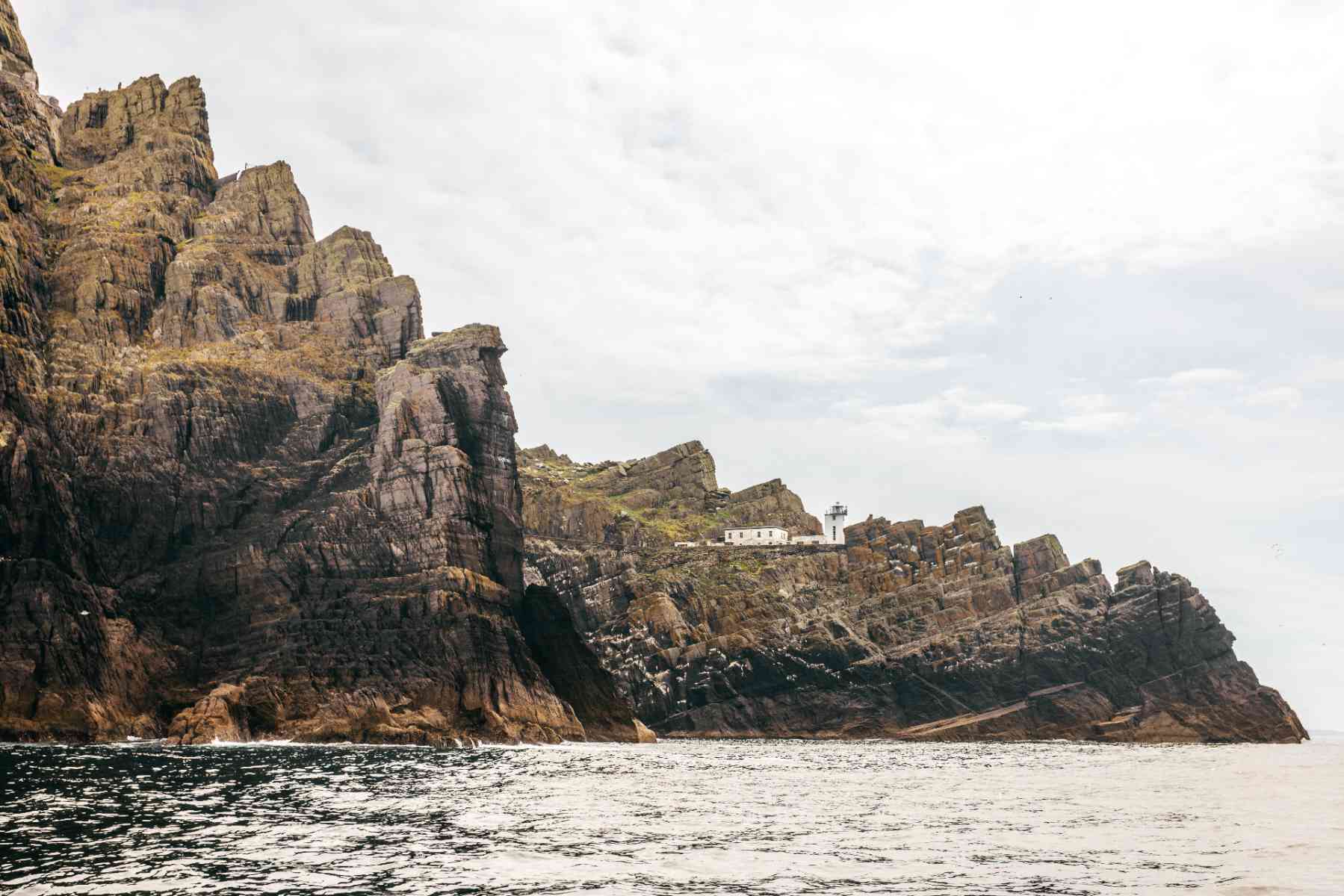
The original plan involved the construction of two distinct lighthouse towers: the Upper Light and the Lower Light. This dual-light system was a deliberate navigational strategy. By maintaining two lights at different elevations, mariners could accurately determine their position relative to the island, preventing the confusion that a single light might cause in poor weather conditions.
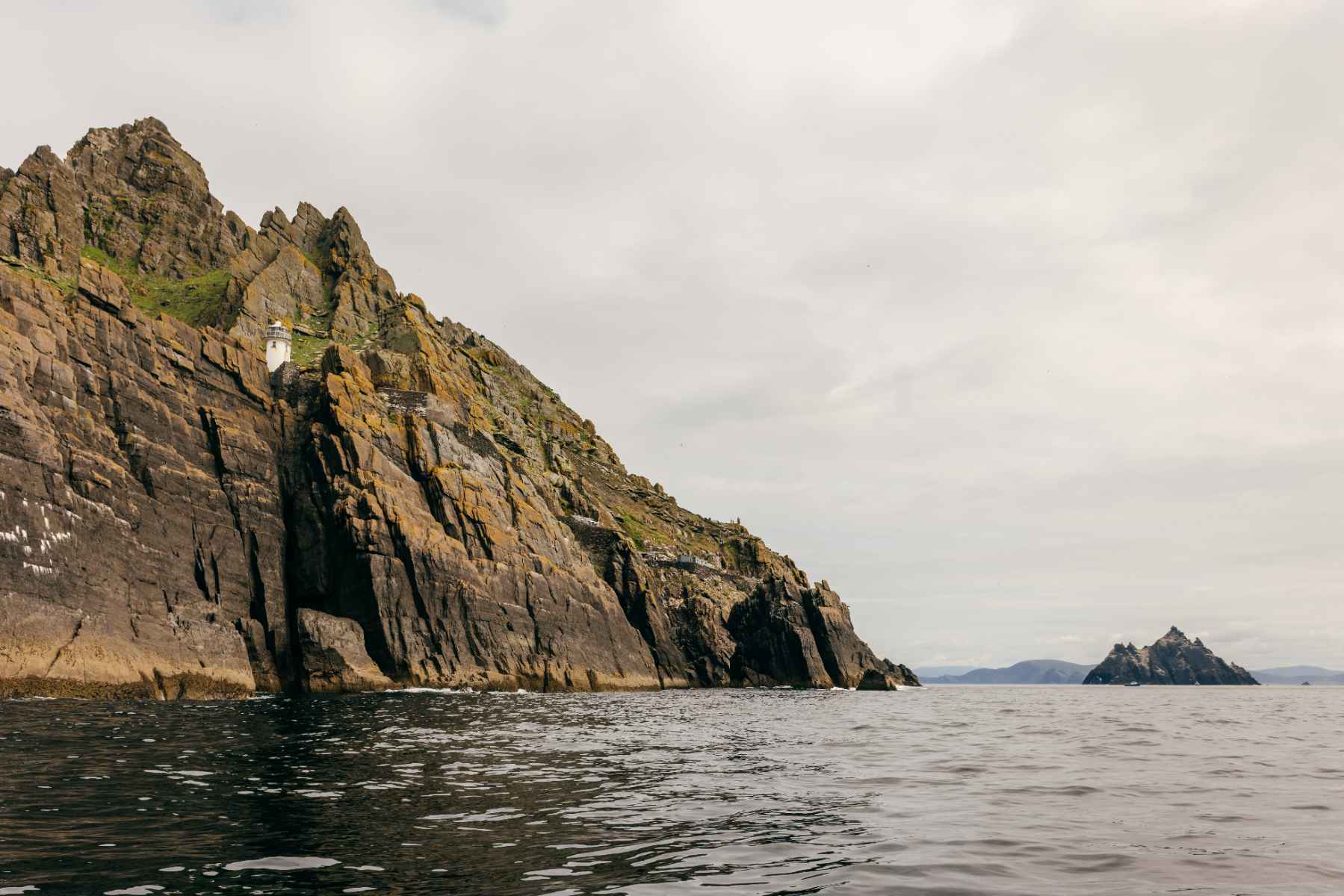
The towers were operational by 4 December 1826. The Upper Light was situated at a higher elevation on the western side of the island, while the Lower Light occupied a position closer to the sea level on the southern flank. Both structures featured dwellings for the keepers, constructed with robust masonry designed to withstand the relentless Atlantic gales.
In 1870, the Upper Light was decommissioned. Its function was largely superseded by the establishment of a new lighthouse on Inis Tearaght. From that point forward, the Lower Light became the primary navigational aid on Skellig Michael, undergoing several rounds of technological modernisation to maintain its effectiveness against the increasing demands of modern shipping.
Operational Evolution and Technological Advancements
The technological history of the Skellig Michael lighthouse is a testament to the transition from manual labour to advanced automation. The original illumination was provided by oil lamps, which required constant maintenance and a steady supply of fuel. In 1909, Trinity House and the Board of Trade sanctioned a significant upgrade. A new triple-flashing light with an intensity of 120,000 candelas was installed, significantly extending the range and clarity of the signal.
The mid-20th century brought further electrification. In 1966, the system was converted to electric power, and by 1967, a new light with a massive 1,800,000 candela output was established. These upgrades were essential for maintaining safety in an era of larger, faster vessels. The final major technological shift occurred in 2001, when the light was converted to solar power. Despite this modernisation, the original third-order rotating lens remains in place, a functional relic of early 20th-century precision engineering.
Domesticity in Extremis: The Keeper's Experience
The role of the lighthouse keeper on Skellig Michael was one of profound isolation and responsibility. Until 1969, keepers and their families resided on the island in rotations. The domestic buildings, carved into the rock near the Lower Light, provided the only shelter on a landmass otherwise occupied by thousands of seabirds and the ruins of a 6th-century monastery.
The psychological and physical demands of living at the "edge of the world" cannot be overstated. Access to the island was entirely dependent on sea conditions, and for much of the 19th and early 20th centuries, the keepers were cut off from the mainland for weeks at a time during winter storms. Provisions had to be hauled up the cliffside, and the maintenance of the light was a 24-hour mandate.
Later in the 20th century, the living arrangements were modified. Purpose-built dwellings were established in Knightstown on Valentia Island, allowing families to reside in a community while the keepers commuted to the rock for their shifts. Exploring the history of these families remains one of the most poignant things to do Valentia Island for those interested in local heritage. The completion of a helicopter pad in 1969 finally modernised the transit of personnel, ending the era of dangerous boat landings for the resident staff.
The Era of Automation and Modern Stewardship
The traditional way of life on the rock ended in 1985 when the lighthouse was fully automated. The removal of permanent human residents marked a new chapter for the island, allowing it to return to a more natural state, managed primarily for its ecological and archaeological significance. As a UNESCO World Heritage site, Skellig Michael is now subject to stringent conservation protocols.
Modern stewardship of the island focuses on the "Leave No Trace" principles. The structures of the lighthouses, while no longer requiring daily manual operation, are maintained as historical assets. They stand as monuments to the nineteenth-century engineers and keepers who secured the North Atlantic shipping lanes.
Modern Observation and Marine Access
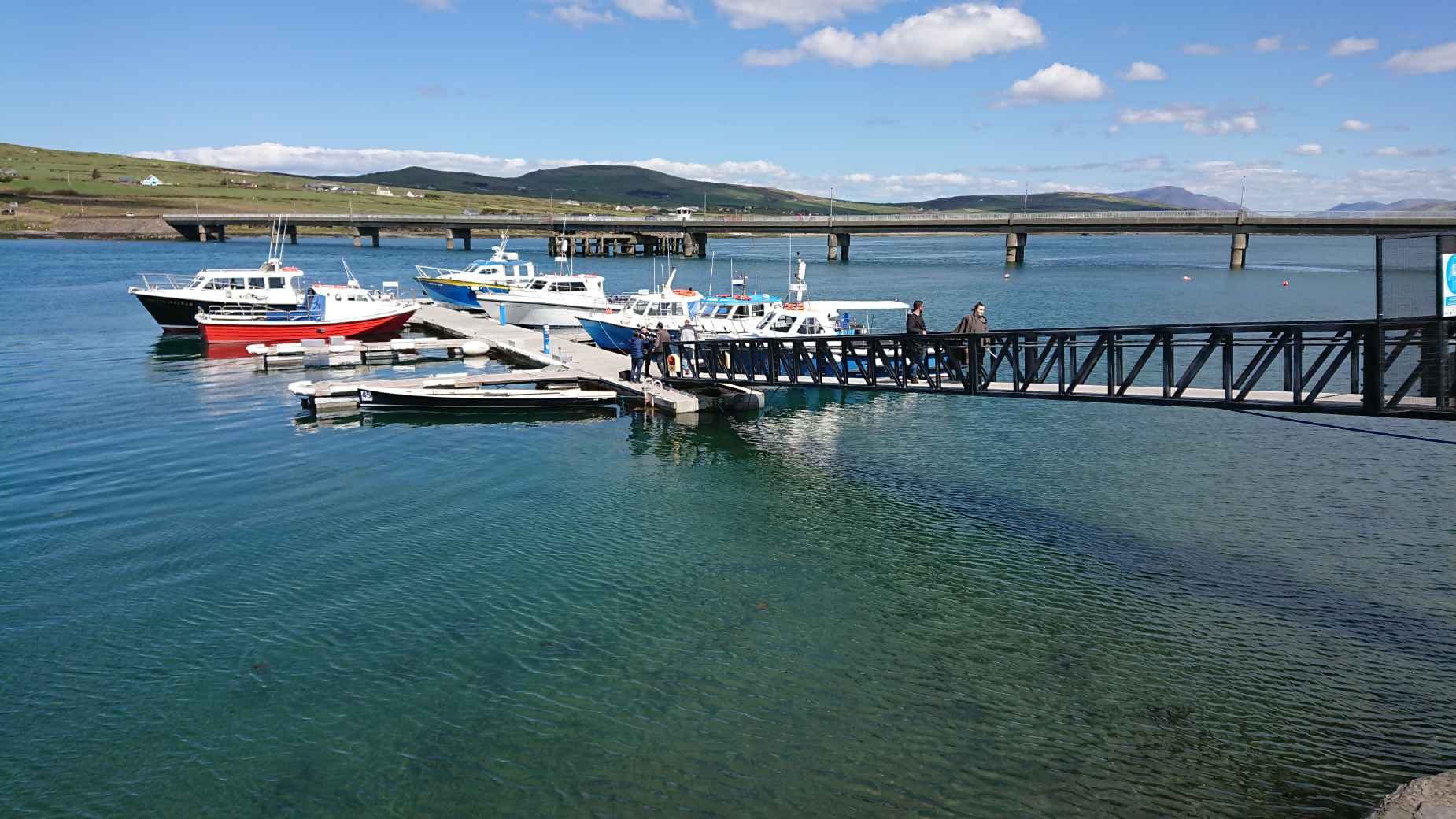
For the modern visitor, the lighthouses are most effectively viewed from the water. The Skellig Eco & Wildlife Tour provides an unparalleled perspective of the lower lighthouse and its associated buildings. From the deck of a specialised vessel, the scale of George Halpin’s engineering feat becomes clear as the white towers contrast against the dark, jagged cliffs of the island.
These tours allow for the observation of the lighthouse structures without the arduous physical requirement of landing and climbing the ancient steps. It is a strictly regulated environment, where the safety of the visitor and the protection of the nesting bird colonies are paramount. Observing the lighthouses during a skellig islands tour offers a historical context that spans from the early Christian monks to the industrial era of the Ballast Board.
The lighthouses of Skellig Michael remain functional sentinels of the Atlantic. While the methods of illumination have shifted from oil to solar energy, their purpose remains unchanged. They continue to guide vessels through one of the most dangerous maritime corridors in the world, serving as a permanent reminder of the intersection between human ingenuity and the raw power of the Atlantic Ocean. For those interested in further exploration of the area's history, information regarding Skellig Michael landing tours and maritime heritage is available through local historical archives and tourism centres.