Skellig Michael UNESCO Site

An Island of Faith and History

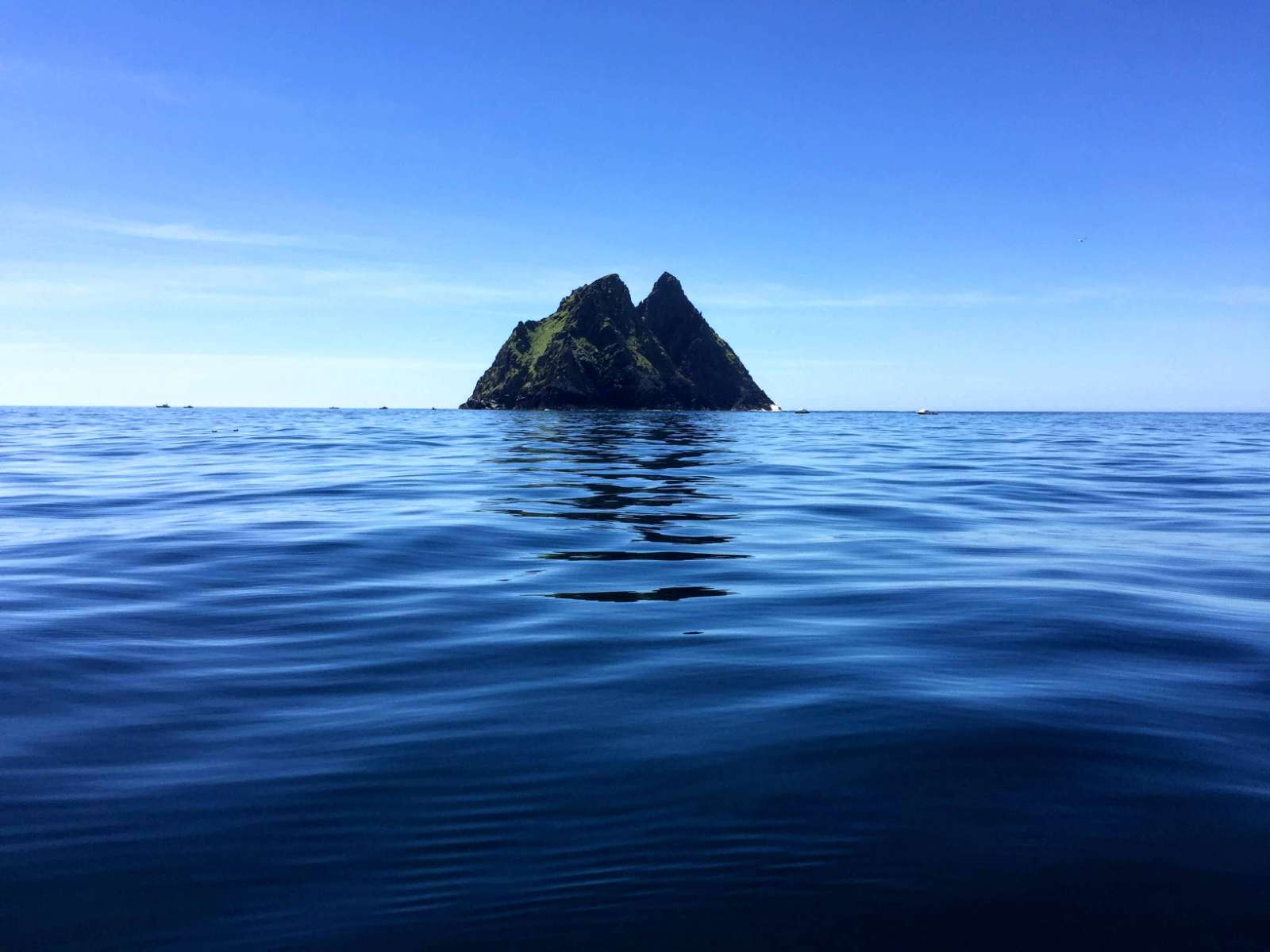
Skellig Michael, known in Irish as Sceilig Mhichíl, rises majestically from the Atlantic Ocean as a twin-pinnacled island 218 metres high, located approximately 12 kilometres off the coast of the Iveragh Peninsula in County Kerry, Ireland. This UNESCO World Heritage Site, designated in 1996, stands as one of Europe’s most exceptional and best-preserved examples of an early Christian monastic settlement. The island’s remarkable preservation over nearly 1,400 years makes it a living window into the spiritual and practical lives of early medieval monks who chose this remote, windswept rock as their sanctuary. Today, Skellig Michael captivates visitors from around the world, drawn by its historical significance, dramatic natural beauty, and cultural importance.

The island’s reputation extends far beyond its religious heritage. In recent decades, Skellig Michael has become globally recognized as the filming location for Ahch-To in the Star Wars sequel trilogy, introducing its ancient stone structures and dramatic cliffscapes to millions of cinema-goers worldwide. Despite this modern fame, the island remains primarily a place of contemplation and natural wonder, home to thriving seabird populations and surrounded by the tempestuous waters of the Atlantic. The combination of archaeological significance, environmental importance, and cultural resonance makes Skellig Michael one of Ireland’s most unique and compelling destinations.

Skellig Michael island rising from the sea at distance

The Monastery

The monastic settlement at Skellig Michael was founded around the 6th century, traditionally attributed to Saint Fionán, a hermit monk of considerable spiritual reputation. The earliest documented historical record of the settlement comes from the 8th century with the death of “Suibhni of Skelig,” indicating that the monastery was already well-established and significant enough to merit mention in contemporary chronicles. Located 167 metres above sea level on the sheltered north-eastern peak of the island, the monastery represented an extreme expression of the ascetic tradition that characterized early Irish Christianity, wherein monks sought geographical and spiritual isolation as a means of deepening their devotion and contemplative practice.

The monastic community at Skellig Michael never exceeded approximately twelve monks alongside an abbot, making it an intimate spiritual community sustained by extraordinary dedication to their religious calling. The monks maintained their precarious settlement through centuries of Atlantic storms, Viking raids, and hardship that would have tested the resolve of even the most committed religious devotees. In 823 AD, Viking raiders plundered the monastery and captured the abbot Eitgal, who died of starvation during his captivity—a sobering testament to the dangers faced by these isolated communities. Despite periodic raids and the inherent difficulties of island life, the monastery maintained continuous occupation until the late 12th or early 13th century, when the surviving monks relocated to Ballinskelligs on the mainland, likely due to declining numbers and increasing deterioration of facilities.

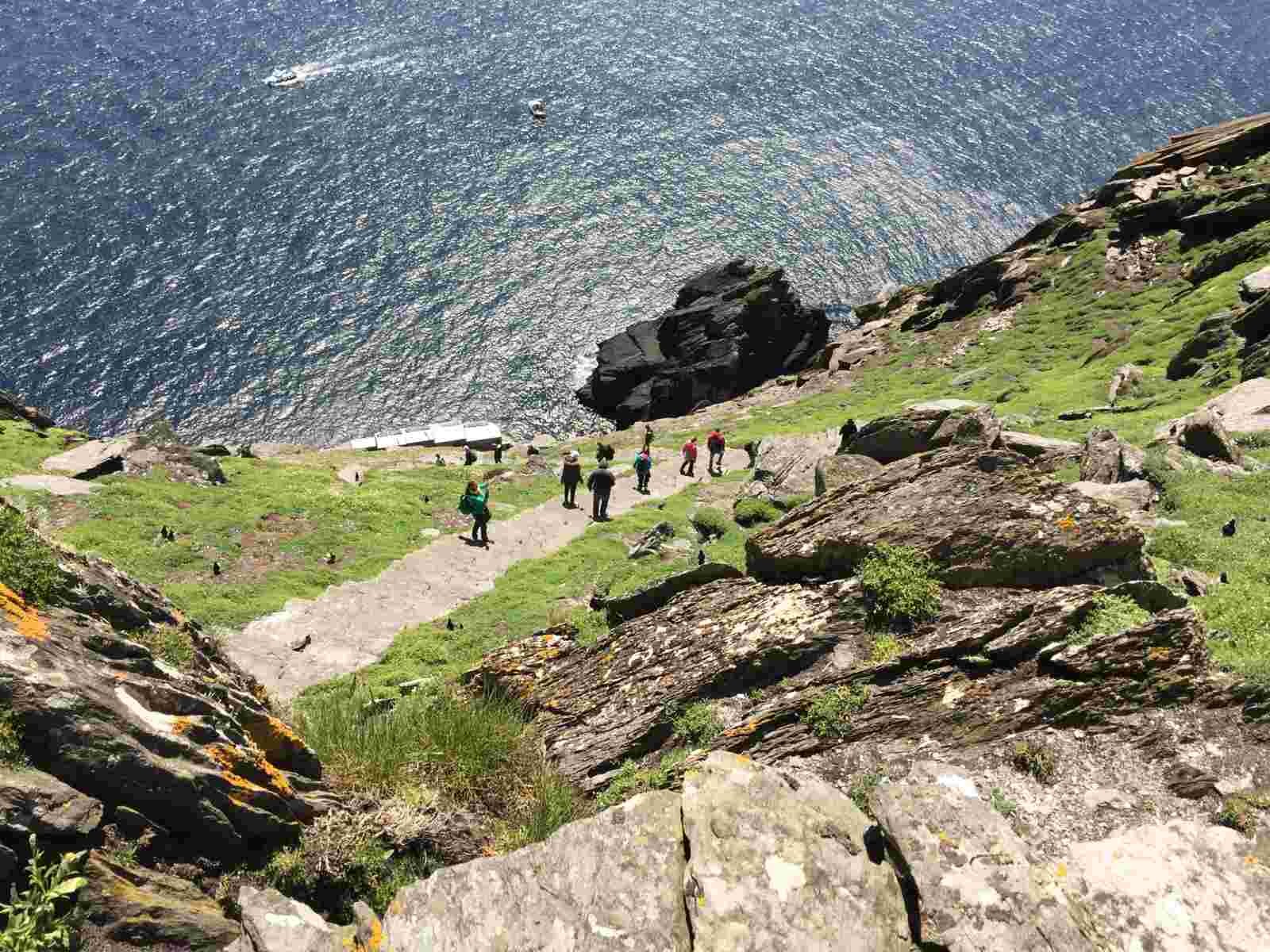
The monastery remained an important pilgrimage destination throughout the medieval period and into the modern era, with devotees undertaking the dangerous sea voyage to visit this sacred site and seek spiritual renewal. The most dramatic feature of the monastery is the remarkable series of 618 stone steps carved directly from the living rock, leading from the landing area to the summit of the island. These steps, worn smooth by centuries of pilgrim feet, represent an extraordinary feat of monastic engineering and determination, providing physical and symbolic access to this elevated place of spiritual significance. The preservation of these steps and the surrounding monastic structures offers modern visitors an almost unmediated connection to the daily lives and spiritual aspirations of monks who lived over thirteen centuries ago.

Ancient stone steps carved into the rock with ocean views

Beehive Huts & Clocháns

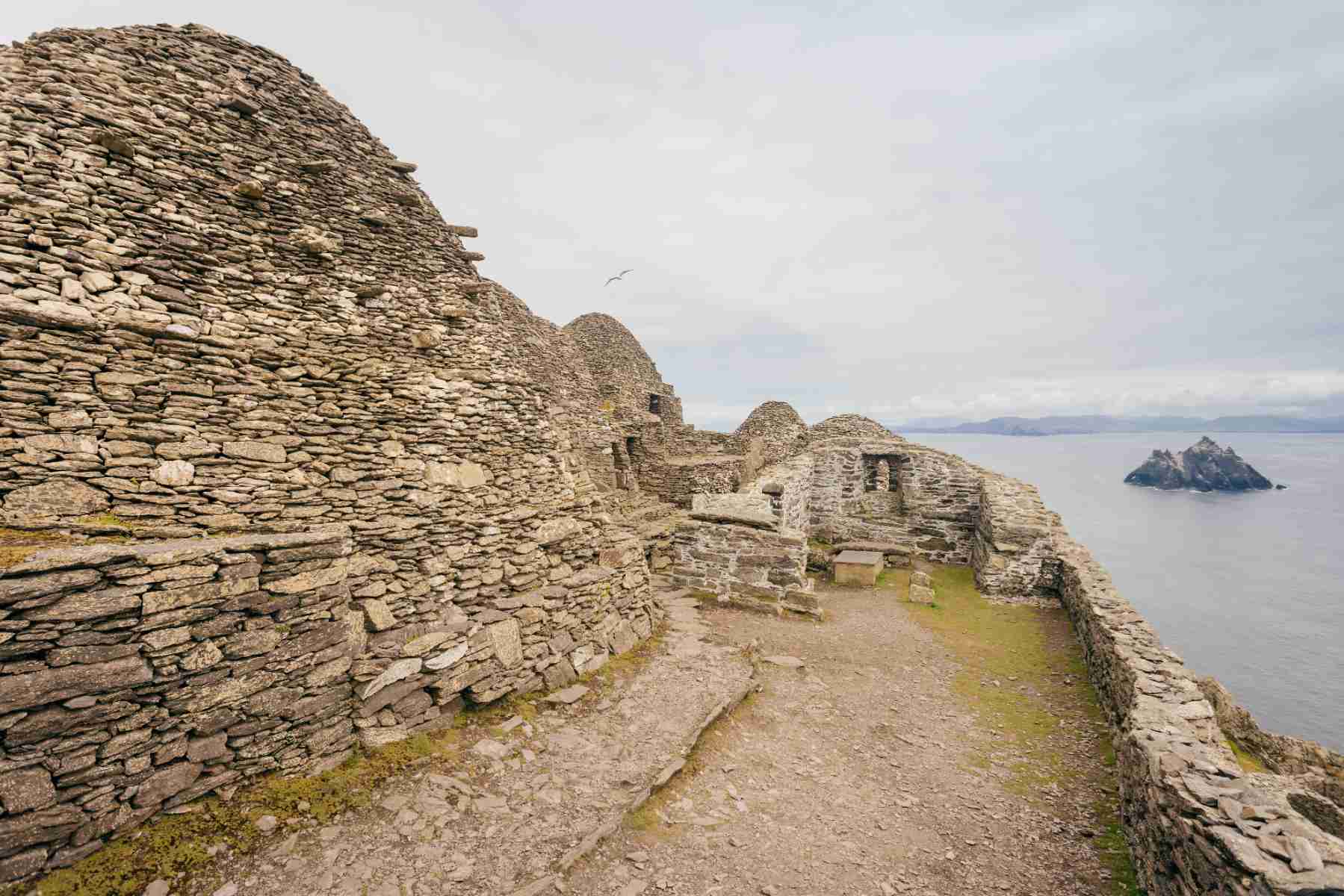
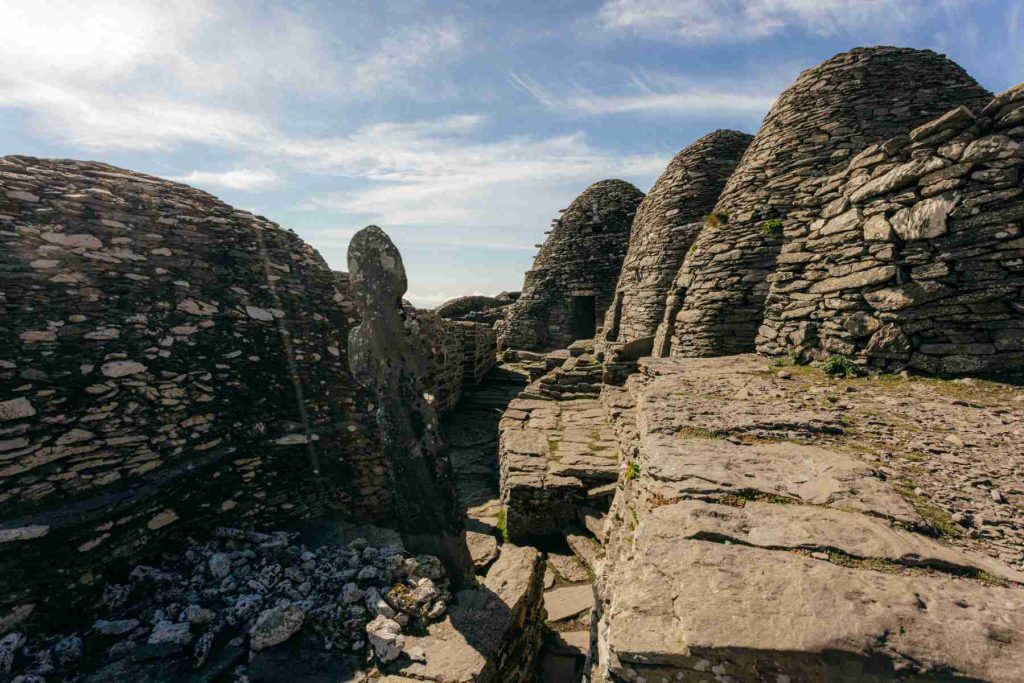
The most iconic structures on Skellig Michael are undoubtedly the six beehive-shaped cells, known in Irish as clocháns, which represent some of the oldest surviving buildings in Ireland and demonstrate a construction technique of remarkable sophistication and durability. These distinctive structures were built using the dry-stone corbelling method—a technique requiring no mortar or binding agent whatsoever. Instead, each stone was carefully placed and angled to project slightly inward over the stone beneath it, creating an overlapping spiral pattern that gradually narrows as it rises toward the apex. A single capstone crowns each cell, completing the dome and creating a watertight seal that has proven effective against the Atlantic weather for nearly fourteen centuries.

The architectural design of the clocháns reflects both practical engineering knowledge and aesthetic sensibility. Viewed from the exterior, each cell appears curved and rounded, presenting a smooth profile to deflect wind and weather. Internally, the cells are roughly square in plan, providing maximum usable space while maintaining structural integrity. The corbelling technique was not invented by the medieval monks but rather represents the application of a construction method already thousands of years old, used in prehistoric stone tombs and structures throughout the Mediterranean and Celtic regions. The monks adapted and refined this ancient technique to create living spaces suited to their harsh island environment, demonstrating their connection to deeper traditions of Celtic architecture and construction knowledge.

Of the six original beehive cells, five survive in remarkably good condition, though one has partially collapsed, likely due to both the weight of accumulated stone and the stresses imposed by Atlantic gales that can exceed 100 kilometres per hour. In addition to the residential clocháns, the monastery also included two boat-shaped stone oratories—small prayer chapels with stone roofs constructed using a similar technique—though one of these has deteriorated significantly over the centuries. The fact that these structures have endured nearly 1,400 years of constant exposure to some of Europe’s most severe weather conditions speaks to the ingenuity of their monastic builders and the inherent strength of the corbelled dome design. Today, the beehive huts serve as powerful symbols of early Christian monasticism and are among the most photographed ancient structures in all of Ireland.

Beehive huts demonstrating ancient corbelled stone construction

The Hermitage on South Peak

Beyond the main monastic settlement lies an even more remote and austere spiritual refuge—a small hermitage located on the South Peak of Skellig Michael, accessible only by a treacherous path that traverses the perilous cliff edge where the island rises dramatically from the Atlantic waters. This hermitage represents the ultimate expression of the ascetic tradition that drew monks to Skellig Michael in the first place, embodying the monastic ideal of total withdrawal from worldly concerns in pursuit of uncompromising spiritual devotion. A handful of the most spiritually dedicated monks would retreat to this isolated sanctuary, seeking through even greater solitude and hardship to achieve deeper communion with the divine and escape from the already minimal distractions of the main monastery.

The path to the South Peak hermitage winds along the cliff face with only scattered handholds and stone steps offering assistance, with sheer drops of hundreds of metres on either side and constant exposure to Atlantic winds that can instantly sweep an unprepared visitor into the churning waters below. The danger inherent in this approach was almost certainly understood and accepted as part of the spiritual practice itself—the physical ordeal of reaching the hermitage served as a concrete expression of the monk’s commitment to renunciation and self-mortification. The hermitage itself consists of minimal structures, providing only basic shelter from the elements while offering unobstructed views across the vast Atlantic, creating a sense of profound isolation and cosmic solitude. Those monks who spent extended periods at the South Peak hermitage would have endured extreme loneliness, constant exposure to the elements, and the perpetual presence of danger in exchange for what they believed to be a more authentic and spiritually transformative connection to their faith.

Today, the hermitage is largely closed to the public and accessible only to the most experienced and physically capable visitors, both because of the genuine danger and out of respect for the spiritual significance of the location. The few scholars and visitors who have made the challenging ascent describe an almost overwhelming sense of isolation and a profound connection to the natural world and elemental forces. The hermitage stands as a powerful testament to the extremism of early Christian monasticism and the willingness of devoted monks to endure hardship and danger as a path to spiritual authenticity. Modern visitors standing at the main monastery can gaze up at the hermitage location on the higher peak and contemplate the dedication of those monks who voluntarily sought out such a challenging and isolated existence.

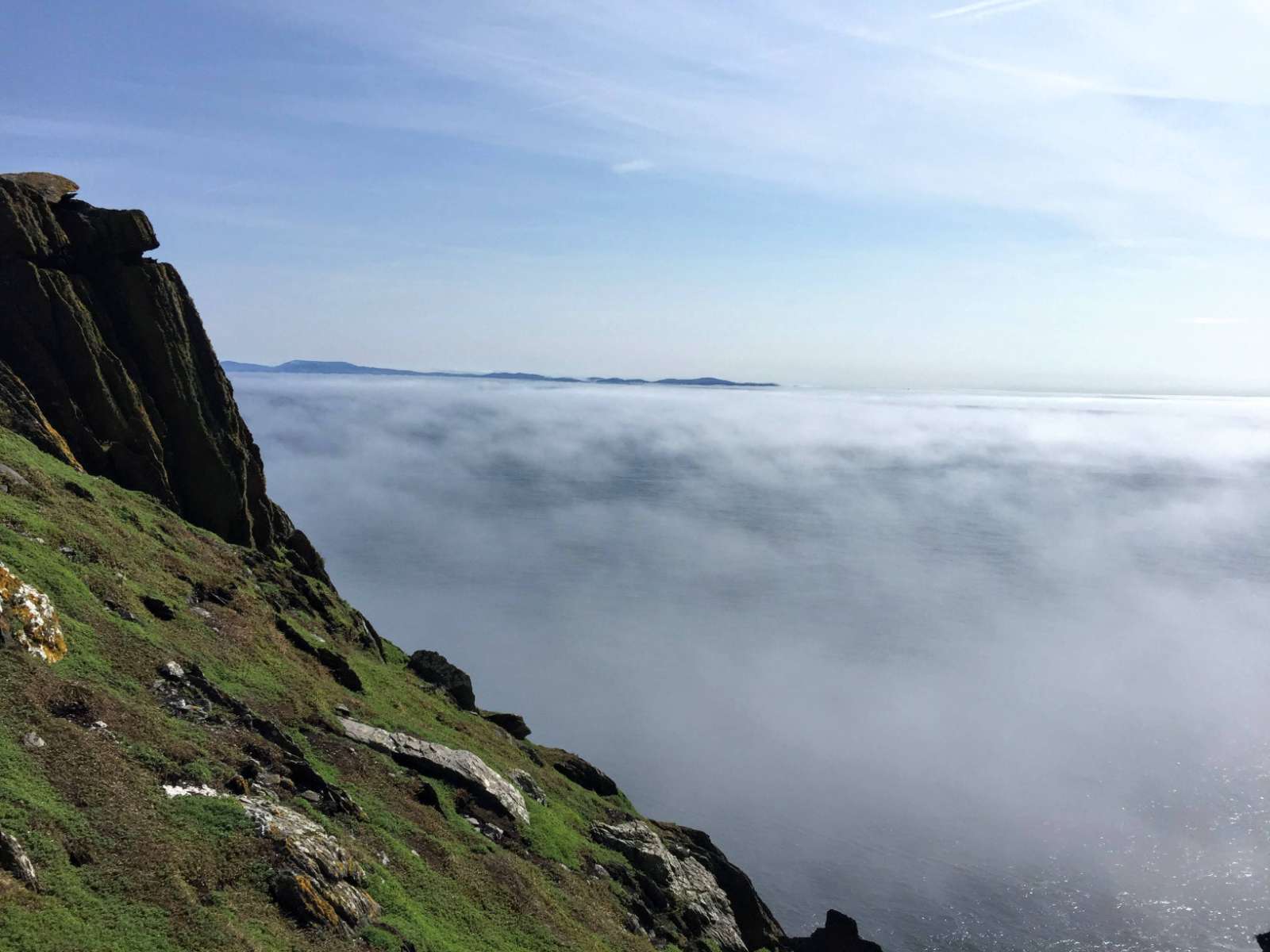
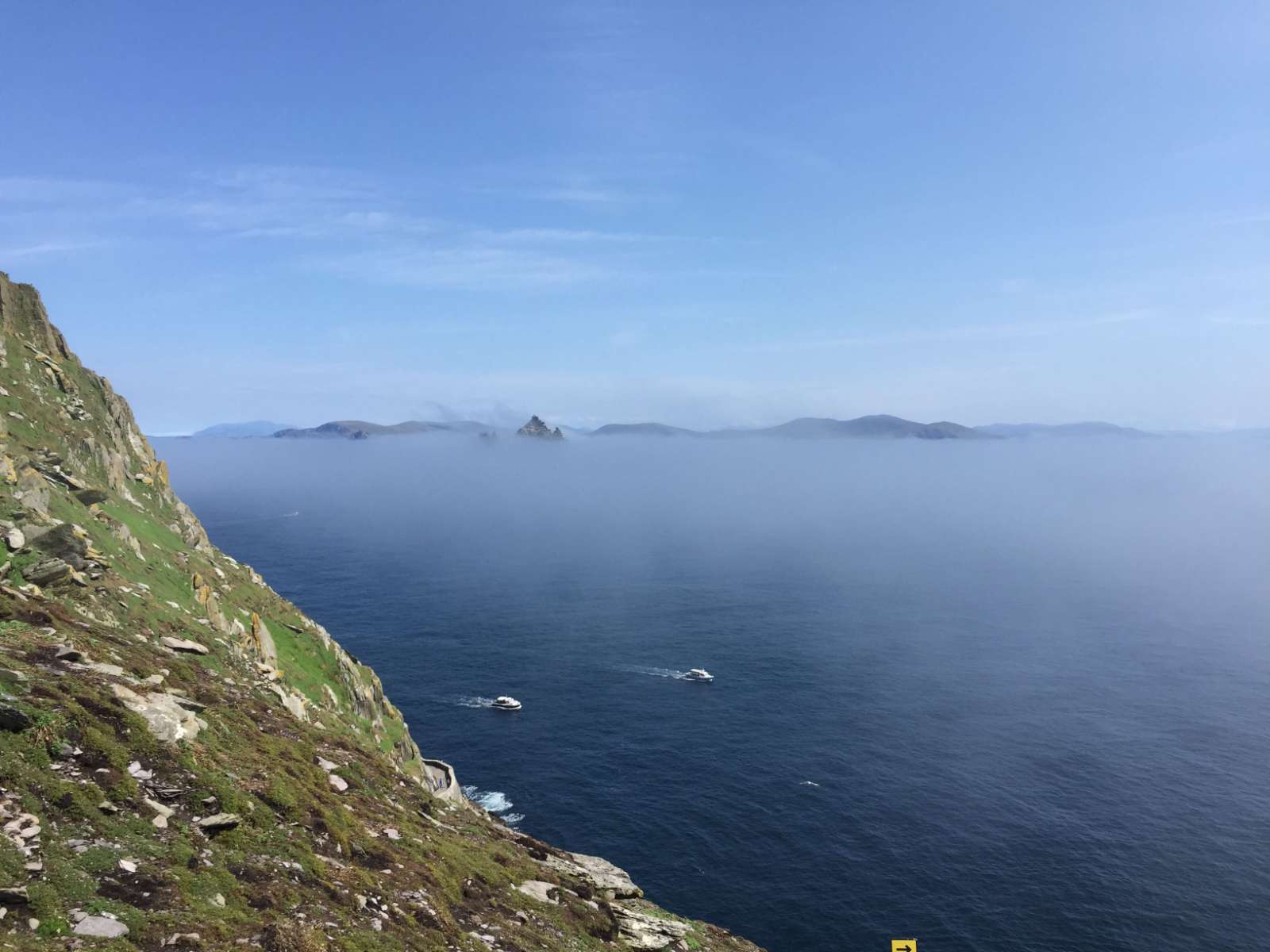
Dramatic cliffs in mist overlooking the Atlantic

UNESCO World Heritage Site

In recognition of its exceptional cultural and historical significance, Skellig Michael was inscribed on the UNESCO World Heritage List in 1996, receiving official international acknowledgment as a site of outstanding universal value. UNESCO’s designation recognized Skellig Michael as “an exceptional, and in many respects unique, example of an early religious settlement deliberately sited on a pyramidal rock in the ocean.” This formal recognition acknowledged that the island represents far more than merely an archaeological curiosity or historical artifact; rather, it stands as an extraordinary testimonial to human determination, spiritual commitment, and cultural achievement in the face of extraordinary environmental challenges. The UNESCO designation placed Skellig Michael within a select group of global heritage sites deemed to possess qualities of such significance that they constitute part of the common heritage of humanity and merit protection and preservation for future generations.

The UNESCO World Heritage designation was based on multiple criteria reflecting Skellig Michael’s exceptional qualities. The site was recognized for demonstrating “the extremes of a Christian monasticism characterising much of North Africa, the Near East and Europe,” acknowledging that the island provides unique and powerful evidence of religious practices and spiritual ideals that shaped European civilization during the early medieval period. The monastic settlement’s remarkable preservation, spanning nearly 1,400 years, provides an almost unparalleled opportunity for scholars to study the archaeology, architecture, and daily life of early Christian monks with minimal later disturbance or modification. Furthermore, the designation recognized the island’s outstanding natural features and the integration of the monastic structures with the dramatic landscape as elements contributing to its overall significance and beauty.

Since its UNESCO inscription, Skellig Michael has been subject to increasingly rigorous conservation and preservation protocols, with the Office of Public Works (OPW) assuming primary responsibility for managing access, conducting restoration work, and balancing the competing demands of preservation and public visitation. Ongoing conservation and restoration efforts, initiated in 1978 and continuing to the present day, have focused on stabilizing structures, addressing centuries of weathering and deterioration, and implementing sustainable management practices to ensure that future generations can experience this remarkable site. The UNESCO designation has also elevated Skellig Michael’s international profile, making it a focal point for cultural tourism while simultaneously imposing strict limitations on how and by whom the site can be accessed and used, ensuring that the sacred and scholarly significance of the location is maintained and respected.

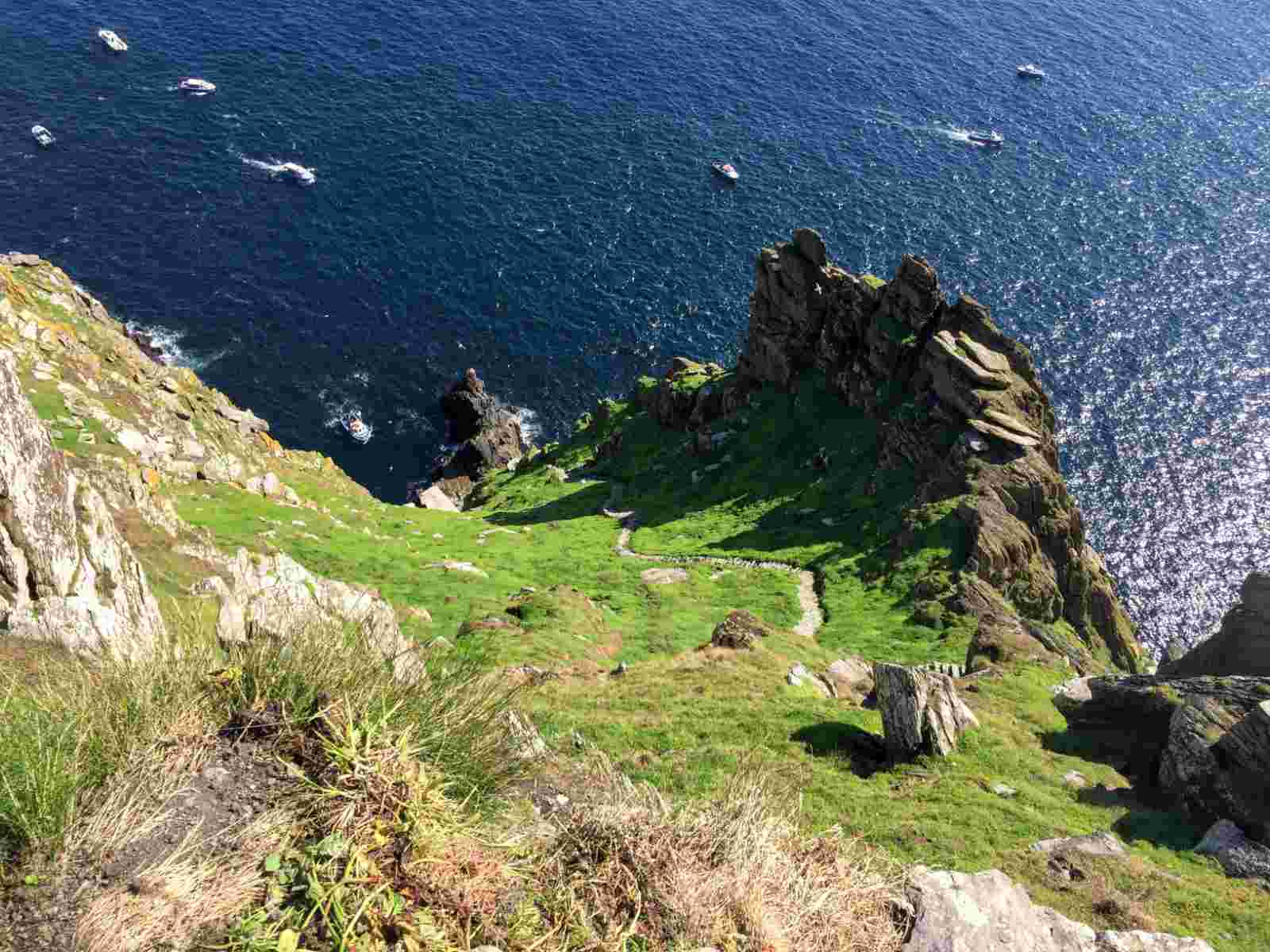
Aerial view of Skellig Michael with boats below

The Lighthouses

As maritime traffic in the Atlantic waters off County Kerry intensified during the early 19th century, the treacherous rocks and unpredictable weather surrounding Skellig Michael presented an increasingly serious hazard to ships traveling between Ireland and European ports. In response to the growing danger and pressure from shipping interests, two lighthouses were constructed on the Atlantic-facing side of the island, with construction completed in 1826. The decision to build lighthouses on such a remote and exposed location represented a significant engineering and logistical challenge, requiring the transport of materials to an island that was nearly inaccessible except in the calmest weather conditions. The lighthouses, along with associated keepers’ quarters and support facilities, represented a substantial investment in maritime safety and reflected the growing importance of regular transatlantic commerce during the industrial revolution.

The two lighthouses were constructed at different elevations on the Atlantic face of the island, designed to serve complementary functions in guiding ships safely past the island’s hazardous rocks. The keepers’ road, built to connect the two lighthouses and provide access to the facilities, is itself a remarkable feat of engineering—a narrow stone pathway carved and constructed along the precipitous cliff face, with sections featuring steps and handholds to aid the keepers in their dangerous routine. The lighthouse keepers, who typically rotated their residence between the two facilities, maintained their watches through all seasons and all weather conditions, providing an essential service to the shipping industry while themselves enduring significant hardship and isolation. The lighthouse duties required constant vigilance, meticulous maintenance of the light mechanisms, and the ability to function effectively even during the most severe Atlantic storms.

The maritime landscape shifted dramatically in the 20th century with the development of modern navigation technology, electronic aids to navigation, and eventually the computerization of maritime safety systems. As these technologies reduced the critical importance of traditional light signals, the decision was made to decommission the upper lighthouse and to automate the lower lighthouse, which was fully automated in 1987. Automation meant that the resident lighthouse keepers could be withdrawn from the island, ending centuries of continuous human habitation beyond the monastic period. Today, the lighthouse structures stand as monuments to both maritime history and engineering achievement, their beams continuing to flash their warning signals to modern vessels traversing the same waters that challenged sailors centuries ago. The lighthouses also serve as a poignant reminder of the labor, dedication, and sacrifice required to maintain essential services in remote and dangerous locations.

Coastline in mist with island features visible

Star Wars & Ahch-To

In a striking convergence of ancient history and contemporary popular culture, Skellig Michael was selected by director J.J. Abrams as the filming location for Ahch-To, the remote island sanctuary where Mark Hamill’s Luke Skywalker has retreated in “Star Wars: The Force Awakens” (2015). The island’s dramatic natural features—its twin peaks, turbulent surrounding waters, and austere stone structures—provided the perfect cinematic backdrop for depicting an isolated refuge from the chaos of galactic conflict. The casting of Skellig Michael was not arbitrary; the island’s real history as a place of monastic retreat and spiritual seeking resonated thematically with the character arc of Luke Skywalker, creating a powerful symbolic alignment between fictional narrative and historical reality. The selection of this UNESCO World Heritage Site for major motion picture filming represented a significant decision that would introduce Skellig Michael to a global audience of hundreds of millions.

Director Rian Johnson made even more extensive use of Skellig Michael in “Star Wars: The Last Jedi” (2017), significantly expanding the island sequences and using the location to create visually stunning scenes of Luke’s isolated exile and eventual spiritual transformation. The beehive huts were repurposed as Luke’s Jedi dwelling, their ancient corbelled stone architecture lending an almost timeless quality to the cinematic portrayal of a Jedi Master in contemplative seclusion. Further aerial footage from Skellig Michael was incorporated into “The Rise of Skywalker” (2019), maintaining the visual and thematic connection between the Star Wars saga and this ancient Irish monastery. The filming was conducted under strict environmental and archaeological supervision, with production teams required to adhere to conservation protocols and minimize any impact on the fragile island ecosystem and historical structures.

The casting of Skellig Michael in major Hollywood productions created an unprecedented surge in tourism to County Kerry and dramatically increased international awareness of the island’s historical and cultural significance. Tour operators reported dramatic increases in visitor demand, and the Star Wars connection became a major promotional asset for Irish tourism generally. While several mainland Irish locations were used as stand-ins for certain scenes—notably Ceann Sibéal on the Dingle Peninsula and Malin Head in County Donegal—Skellig Michael’s authentic presence in the films created a pilgrimage destination for Star Wars fans worldwide. The intersection of ancient monastic heritage with contemporary cinema created a unique phenomenon wherein the spiritual retreat of medieval monks now shares cultural space with the fictional mythology of a galactic Jedi Order, demonstrating how historical sites can achieve new relevance and significance in contemporary popular culture.

Boat approaching Skellig Michael island

Wildlife & Marine Life

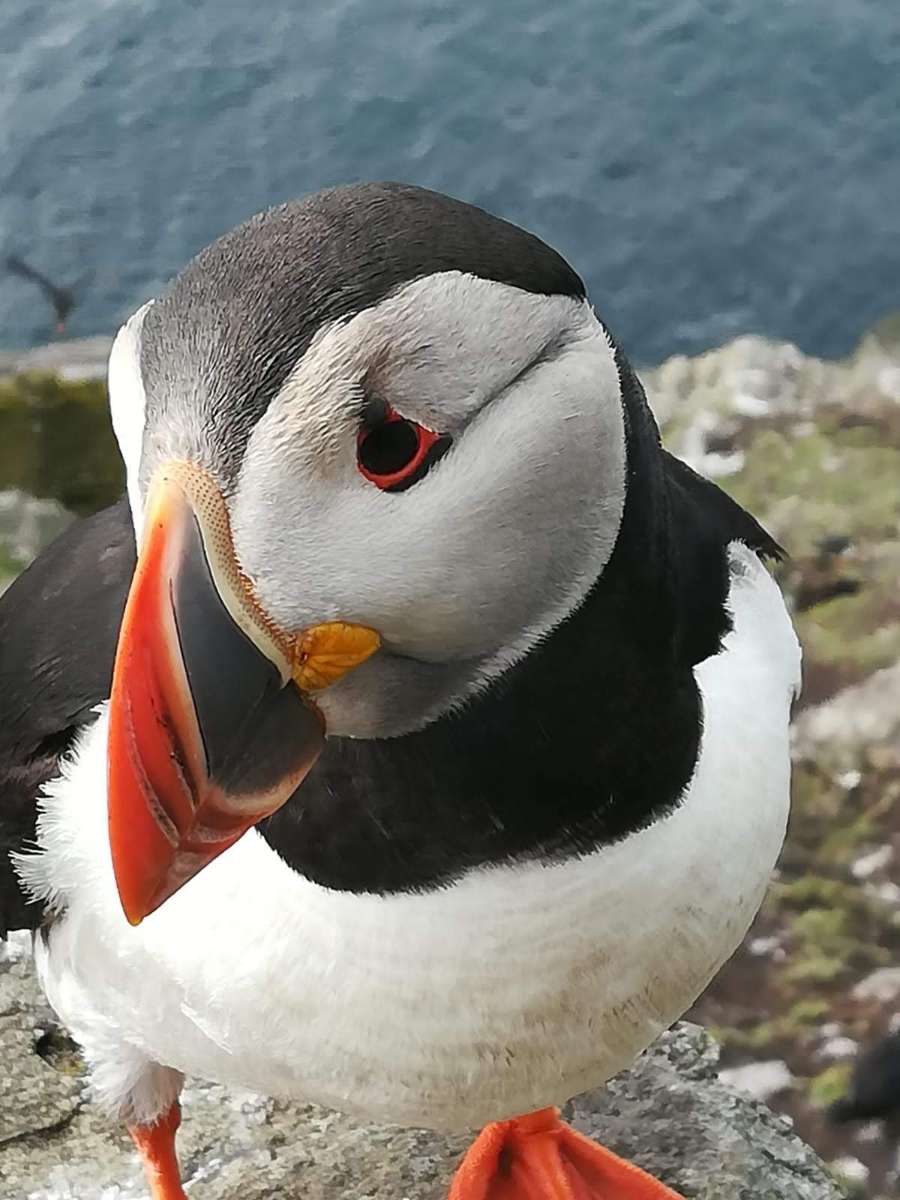
Skellig Michael and its smaller companion, Little Skellig, comprise one of Ireland’s most important seabird sanctuaries and constitute a designated Special Protection Area under European Union conservation law. The islands serve as breeding grounds for numerous seabird species that have made their homes on the rocky cliffs and offshore stacks for thousands of years, predating human settlement and continuing to thrive despite the presence of archaeological structures and modern tourism. During the breeding season from May through August, visitors to Skellig Michael can observe spectacular displays of avian life, with thousands of birds representing multiple species engaged in the complex behaviors associated with nesting, feeding, and rearing of chicks. The most celebrated residents are the Atlantic puffins, charismatic birds with their distinctive black and white plumage and colorful beaks, which return to the islands each spring after spending the winter at sea.

Little Skellig, the smaller and less accessible island located approximately one kilometre southwest of Skellig Michael, hosts the world’s second-largest breeding colony of northern gannets, with approximately 30,000 breeding pairs concentrated on the steep cliffs and narrow ledges of this uninhabited rock. Gannets are impressive large seabirds with wingspans exceeding 1.8 metres, capable of diving from great heights into the sea to catch fish with remarkable precision and force. In addition to puffins and gannets, Skellig Michael provides breeding habitat for storm petrels, Manx shearwaters, razorbills, guillemots, kittiwakes, and fulmars—each species occupying specific cliff locations suited to their particular nesting preferences and feeding behaviors. The density and diversity of seabird life creates an extraordinary natural spectacle, with the islands essentially functioning as vertical cities of birds during the breeding season.

Beyond the resident and seasonal bird populations, the surrounding waters support diverse marine life that reflects the rich productivity of the Atlantic ecosystem. Grey seals frequently haul out on the rocky shores and near the island, their sleek bodies and whiskered faces becoming familiar to regular visitors. The deeper Atlantic waters surrounding Skellig Michael host basking sharks, which despite their fearsome appearance are gentle filter-feeders often spotted basking at the surface during summer months. Minke whales, fin whales, and several dolphin species are observed seasonally, appearing in response to the abundance of small fish and krill in the nutrient-rich waters. Marine research and birdwatching organizations regularly conduct surveys of the islands to monitor population trends and environmental changes, recognizing Skellig Michael as a critical location for understanding seabird ecology, marine biodiversity, and the impacts of climate change on Atlantic wildlife.

Atlantic puffin close-up showing distinctive coloring and beak

Visiting Skellig Michael

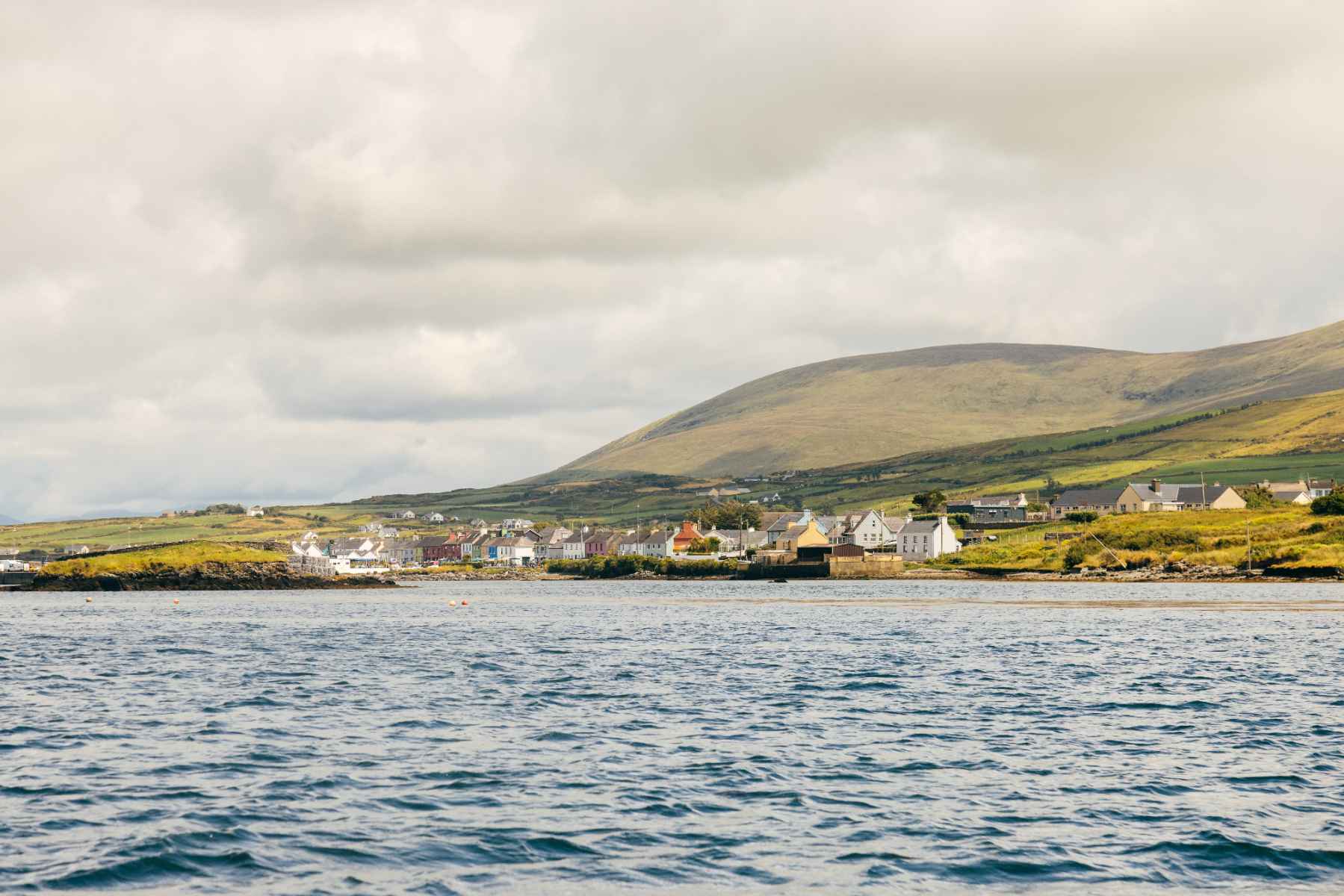
Access to Skellig Michael is achieved exclusively through organized boat tours departing from Portmagee Pier, a charming fishing village located on the Iveragh Peninsula approximately 30 kilometres southwest of the town of Cahersiveen. The boat journey takes approximately 45 minutes to one hour depending on sea conditions, during which visitors experience the raw power of the Atlantic Ocean and develop a tangible appreciation for the dedication of the monks who chose this remote island as their home. Two primary types of tours are available: landing tours, which permit approximately 2.5 hours on the island itself with the opportunity to climb the 618 stone steps to the monastic settlement and explore the beehive huts and structures at close range; and eco-cruises, which circle both Skellig Michael and Little Skellig at a respectful distance without landing, providing excellent wildlife viewing opportunities and allowing visitors to appreciate the islands’ natural features and dramatic geology from the sea.

The visiting season extends from mid-May through early October, with the exact opening and closing dates varying depending on weather conditions and sea state. During this period, visitor numbers are limited to approximately 180 people per day on landing tours, a restriction implemented to protect the fragile archaeological remains and minimize environmental impact on the sensitive island ecosystem. Booking in advance is absolutely essential, particularly during the summer months of June through August when demand far exceeds available spaces. Prospective visitors are strongly advised to check weather forecasts before confirming their visit, as rough seas frequently result in tour cancellations or disruptions, reflecting the island’s exposure to Atlantic weather systems. Those visiting Skellig Michael should prepare for challenging physical conditions, bringing warm, waterproof clothing to protect against the elements, and sturdy, grip-sole footwear to navigate the ancient stone steps safely.

The village of Portmagee itself offers accommodation, dining, and hospitality services catering to Skellig Michael visitors, with numerous guesthouses, hotels, and restaurants providing both pre- and post-tour services. The journey to and from the island, combined with the time spent on land, typically requires commitment of a full day, making Skellig Michael most suitable for visitors able to dedicate substantial time to the experience. The combination of archaeological significance, natural beauty, challenging physical experience, and spiritual resonance makes a visit to Skellig Michael one of Ireland’s most memorable and transformative travel experiences. For those seeking to book a tour and begin planning their journey to this remarkable island sanctuary, comprehensive information and tour booking services are available through the dedicated website.

Portmagee village with coastline and water Book Your Tour Now